
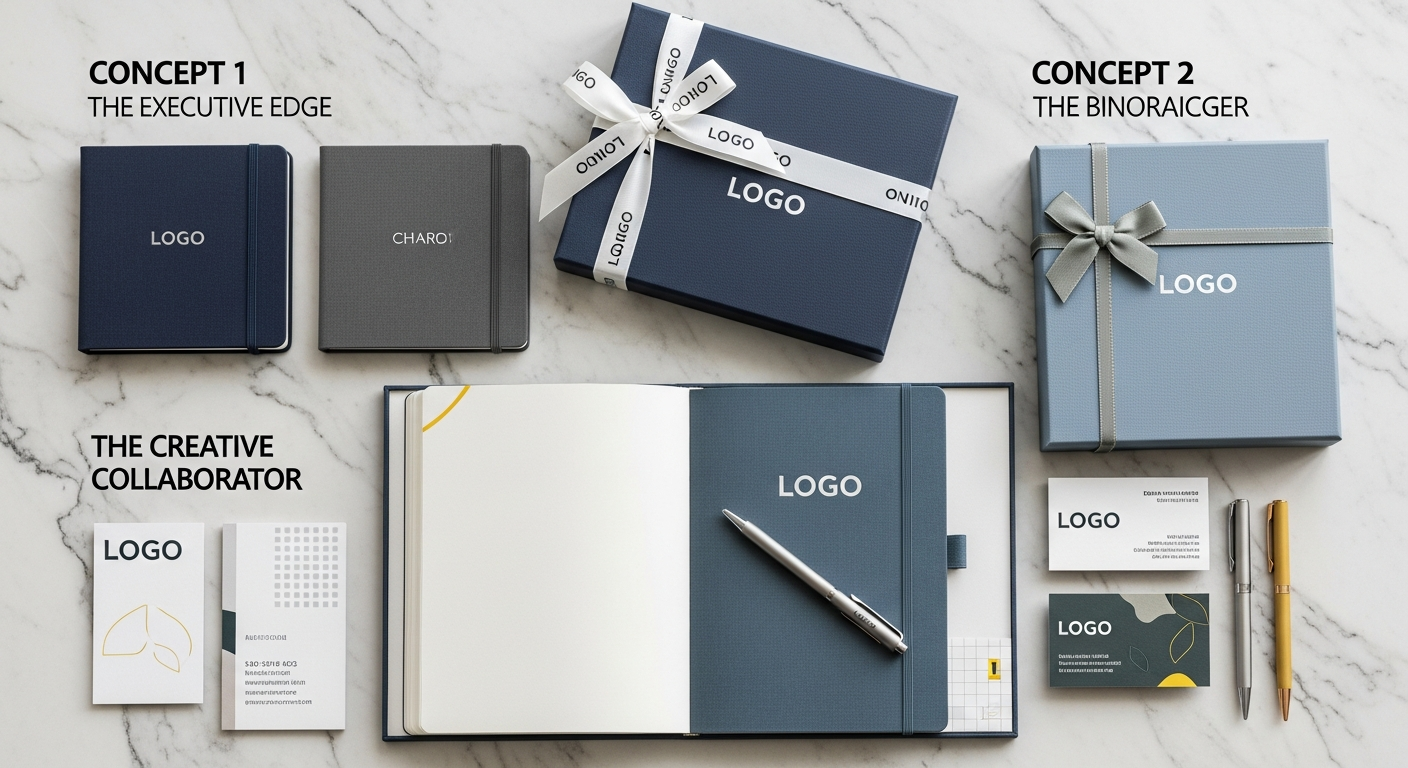
The Strategic Imperative of Corporate Gifting in 2026
The digital realm, while offering unparalleled reach, often struggles with the human touch. In an era where every inbox is flooded, and every social feed is saturated with ads, the tangible and personalized nature of a well-chosen corporate gift cuts through the noise. For tech entrepreneurs navigating this crowded space, corporate gifting isn’t just about giving; it’s about making a statement, building bridges, and demonstrating a level of care that digital interactions alone cannot fully convey. By 2026, the market is more saturated than ever, making differentiation a critical factor for survival and growth. A thoughtful gift serves as a powerful differentiator, signaling to recipients that they are valued beyond their transactional worth.
Reviewed by technology strategists and digital marketing practitioners with backgrounds in enterprise IT, SaaS, and startup growth. Contributors hold credentials including ITIL v4 certification, AWS Solutions Architect, Google Analytics certification, and hands-on experience at Series A-C startups and Fortune 500 tech divisions. Content is cross-referenced against industry reports from Gartner, McKinsey, IDC, and the World Economic Forum. Last reviewed: March 2026.
Consider the sheer volume of digital communication a modern professional receives daily. Emails, push notifications, LinkedIn messages – it’s an endless stream. A physical gift, arriving unexpectedly, creates a moment of genuine surprise and delight that digital channels struggle to replicate. This tangible interaction creates a memory, a positive association directly linked to your brand. It’s a deliberate effort to move beyond the screen and into the real world of your stakeholders, creating a physical touchpoint that reinforces your brand’s presence in a meaningful way.
Furthermore, in a world increasingly focused on data and analytics, corporate gifting offers a unique opportunity to inject humanity back into business relationships. It’s an investment in the emotional equity of your brand, a recognition that while technology drives efficiency, relationships drive long-term success. For startups, where every interaction can either build or erode reputation, a strategic gifting program can accelerate trust, foster goodwill, and lay the groundwork for enduring partnerships and client relationships. It’s about planting seeds of appreciation that blossom into advocacy and loyalty, proving that your company values more than just the bottom line.
Beyond Transactional: How Gifting Fosters Emotional Connections and Brand Recognition
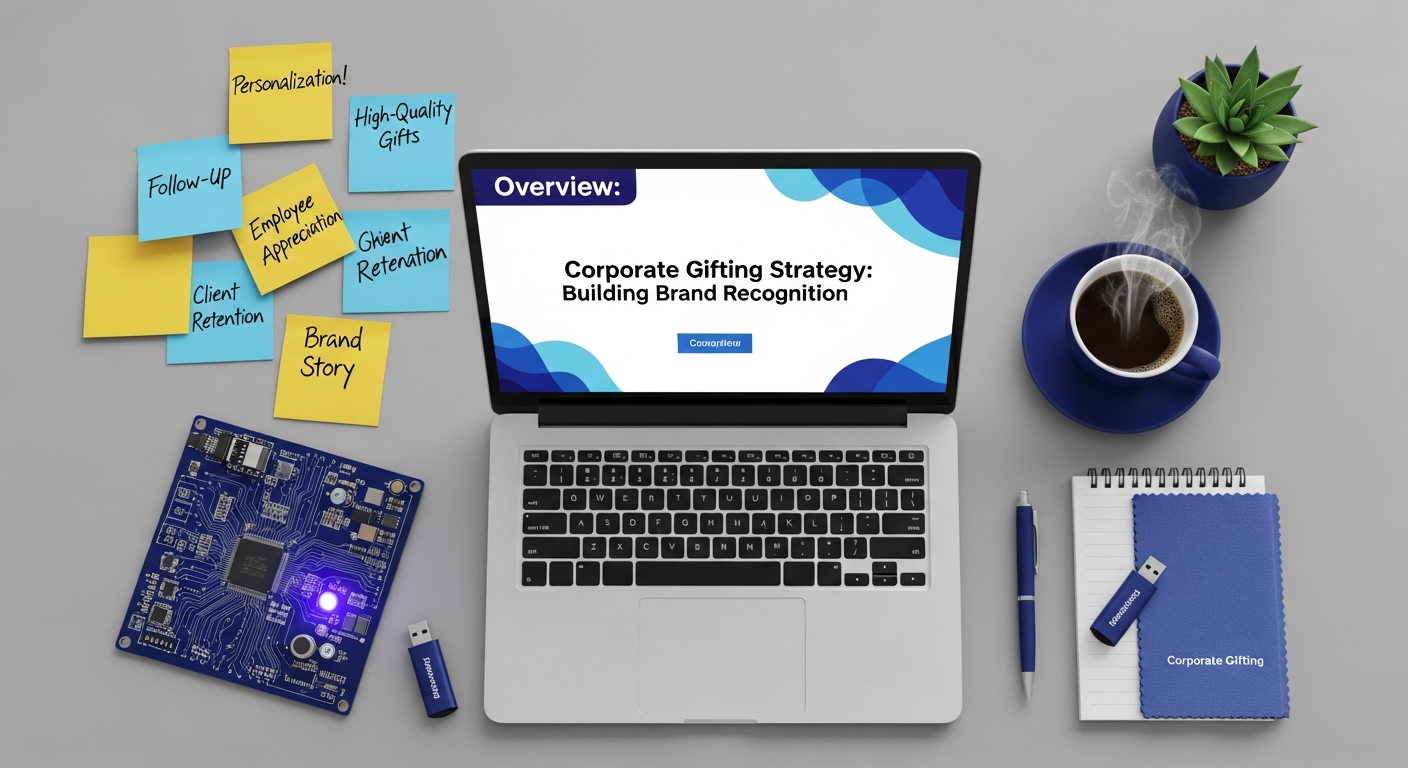
The true power of corporate gifting lies in its ability to transcend a simple transaction and tap into fundamental human psychology. When someone receives a gift, especially an unexpected and thoughtful one, it triggers a sense of reciprocity and appreciation. This isn’t merely about receiving an item; it’s about feeling seen, valued, and understood. For tech brands, which sometimes struggle with perceived coldness or impersonality, this emotional connection is invaluable. It humanizes your brand, transforming it from an abstract entity into a considerate partner.
A well-executed gift creates a memorable experience. Imagine a client receiving a bespoke item that genuinely reflects their interests, or an employee being celebrated with something deeply personal for a milestone. These aren’t just gifts; they are moments that stand out, generating positive emotions that become directly associated with your brand. This positive emotional resonance is a powerful driver of brand recognition. When people feel good about interacting with your brand, they are more likely to remember it, talk about it, and choose it again. This is where the magic happens – emotional connection leads directly to enhanced brand recall.
Moreover, the right gift can become a conversation starter and a source of social proof. A unique, high-quality, or particularly useful item often gets shared, either physically within an office or digitally on social media. For instance, a beautifully designed tech gadget branded subtly with your company logo, or a gourmet food basket from a local artisanal producer, might be showcased by the recipient. This organic sharing acts as authentic word-of-mouth marketing, far more credible and impactful than traditional advertising. When others see a peer or a respected professional endorsing your brand through a gift, it subtly reinforces your brand’s positive image and desirability. This directly ties into a robust strategy for how to use social proof effectively, leveraging the authentic experiences of your recipients to build trust and credibility among their networks.
By focusing on gifts that resonate personally and offer genuine utility or delight, companies can transform a simple gesture into a profound statement of value. This approach moves beyond generic swag and towards curated experiences that leave a lasting positive impression, solidifying your brand’s place in the recipient’s mind and heart. The goal is not just to give a gift, but to give an experience that reinforces your brand’s identity as thoughtful, generous, and committed to relationships.
Gifting as a Catalyst for Customer Loyalty and Retention
Think about the lifecycle of a customer. Post-conversion, the initial excitement can wane. This is precisely where strategic gifting can re-ignite engagement and reinforce commitment. Sending a thoughtful “thank you” gift after a significant purchase, a personalized item on their subscription anniversary, or a small token of appreciation during a challenging period (e.g., a service outage workaround) demonstrates that your company values them beyond their latest payment. These gestures communicate empathy and appreciation, strengthening the emotional bond and making customers feel cherished, not just processed.
Celebrating milestones with your customers – whether it’s their one-year anniversary with your platform, the successful completion of a major project utilizing your software, or a personal achievement they’ve shared – creates memorable touchpoints that differentiate your brand. These acts of recognition foster a sense of partnership and mutual respect. When customers feel truly valued, they are far less likely to explore alternatives, even if competitors offer slightly lower prices or different features. The emotional investment they feel with your brand becomes a significant barrier to switching.
Furthermore, loyal customers are your most potent source of referrals and positive testimonials. A customer who has received a truly remarkable gift is not only likely to remain loyal but also eager to share their positive experience with their network. This organic word-of-mouth marketing is incredibly valuable for tech startups, where trust and reputation are critical. By strategically deploying gifts to your most valuable clients, you’re essentially cultivating an army of brand ambassadors who will champion your product or service without being asked. This directly impacts the retention and advocacy stages of what is a sales funnel, ensuring that customers not only stay but also actively contribute to attracting new ones. Gifting, therefore, isn’t just about keeping customers; it’s about empowering them to become an extension of your sales and marketing efforts, driving sustainable growth through genuine appreciation.
Integrating Corporate Gifting into Your Digital Marketing Ecosystem

In 2026, corporate gifting is no longer an isolated act of goodwill; it’s an integral component of a sophisticated digital marketing ecosystem. By strategically weaving gifting into your broader content marketing strategy, sales funnel, and social media efforts, tech entrepreneurs can amplify its impact, drive measurable results, and create a truly holistic brand experience. The key lies in personalization, timing, and leveraging digital platforms to enhance the gifting experience.
Gifting as a Content Marketing Catalyst: Thoughtful gifts can be powerful content generators. Imagine sending an exclusive, early-access version of a new product feature to a select group of influencers or loyal customers, accompanied by a personalized gift. Their unboxing videos, reviews, and social media posts become authentic user-generated content (UGC), far more impactful than traditional advertising. Encourage recipients to share their gifts using a unique hashtag, turning individual acts of appreciation into collective brand promotion. Feature customer testimonials that mention receiving a gift, highlighting your brand’s commitment to relationships. This kind of content builds trust and showcases your brand’s human side, enriching your overall content strategy.
Gifting Across the Sales Funnel: Understanding what is a sales funnel allows you to strategically deploy gifts at various stages to accelerate progression and solidify relationships:
- Awareness/Prospecting: For high-value leads, a truly personalized gift (not branded swag) sent after a discovery call can make a memorable first impression, positioning your brand as thoughtful and client-centric, helping you stand out from competitors.
- Consideration/Evaluation: After a product demo or a significant proposal, a gift that reinforces a key takeaway or addresses a specific pain point discussed can seal the deal, demonstrating attentiveness and genuine interest in their success.
- Conversion/Purchase: A personalized “welcome kit” for new clients or a congratulatory gift for new users signing up for a premium tier can significantly enhance the onboarding experience, reducing buyer’s remorse and setting a positive tone for the relationship.
- Retention/Advocacy: As discussed, gifts for anniversaries, milestones, or even a simple “thinking of you” gesture can drastically improve retention rates, encourage renewals, and turn loyal customers into vocal advocates.
Leveraging Social Proof with Gifting: The digital age thrives on social proof, and corporate gifting provides fertile ground. When recipients share their excitement about a gift from your company on LinkedIn, Twitter, or Instagram, it acts as a powerful endorsement. Actively encourage this by including a small card with a call to action, perhaps inviting them to share their experience with a specific hashtag. Run campaigns where recipients who share their gifts are entered into a draw for another special item. Curate and reshare positive mentions on your own social channels, amplifying the message and showcasing real-world appreciation. This is a direct application of how to use social proof to build credibility and expand your brand’s reach organically. By integrating gifting into your CRM and marketing automation platforms, you can personalize gifts at scale, track their impact, and ensure they align seamlessly with your broader digital marketing objectives, creating a powerful, interconnected strategy for brand growth and loyalty.
Leveraging Gifting for Employee Engagement and Internal Brand Building
While the focus of corporate gifting often gravitates towards external stakeholders, its impact on internal audiences – your employees – is equally, if not more, critical for a tech startup’s long-term success. A strong internal brand, fostered through appreciation and recognition, directly translates into higher employee morale, increased productivity, reduced turnover, and ultimately, a more powerful external brand image. Employees who feel valued become authentic brand ambassadors, and their enthusiasm is contagious.
Consider the employee journey within your organization. Strategic gifting can enhance every stage. During onboarding, a thoughtful welcome kit that includes branded merchandise (high-quality, useful items, not just cheap trinkets) and perhaps a personalized note from the CEO, instantly makes new hires feel integrated and appreciated. It sets a positive tone, signaling that your company invests in its people and values their contribution from day one. This initial impression can significantly impact their engagement and commitment.
Beyond onboarding, regular recognition through gifting programs can celebrate achievements, milestones, and sustained effort. This could range from personalized gifts for work anniversaries, acknowledging project successes, or even small “thank you” gifts for going above and beyond. These gestures reinforce positive behaviors, motivate continued high performance, and demonstrate that management notices and appreciates their hard work. In a remote or hybrid work environment, where spontaneous in-person recognition might be less frequent, a physical gift can bridge the distance and maintain a strong sense of connection and belonging.
Employee gifting also plays a crucial role in fostering a positive company culture. When employees feel genuinely appreciated, they are more likely to be engaged, collaborative, and invested in the company’s success. This positive internal culture naturally spills over into customer interactions, as happy employees are more likely to deliver exceptional service and represent the brand with enthusiasm. Conversely, a lack of recognition can lead to disengagement, low morale, and high turnover – a costly challenge for any startup. By investing in employee gifting, you’re investing in the very fabric of your organization, building a resilient, motivated workforce that is proud to represent your brand. This internal brand building is the foundation upon which strong external brand recognition and loyalty are built, creating a virtuous cycle of positive impact.
Measuring the ROI of Your Corporate Gifting Strategy
For tech entrepreneurs, every investment, including corporate gifting, must demonstrate a return. While the emotional and relational benefits are clear, quantifying the ROI of a gifting strategy requires a structured approach and careful tracking. By integrating gifting data with your CRM and marketing analytics, you can move beyond anecdotal evidence to concrete metrics that prove its value and optimize future campaigns.
One primary metric to track is Customer Lifetime Value (CLTV). Compare the CLTV of customers who have received gifts versus those who haven’t. Look for increases in spending, frequency of purchases, and retention rates among gifted segments. A higher CLTV for gifted customers is a strong indicator of success.
Churn Rate Reduction is another critical measure. Monitor the churn rate among various customer segments. If targeted gifting campaigns lead to a noticeable decrease in churn for at-risk customers or high-value clients, it demonstrates a tangible return on investment. Similarly, for employees, track Employee Retention Rates and correlate them with internal gifting and recognition programs. Lower turnover in departments or teams that receive regular appreciation can highlight the program’s effectiveness.
Referral Rates and Net Promoter Score (NPS) can also be significantly influenced by gifting. Customers who feel valued are more likely to recommend your product or service. Implement surveys that ask about the impact of any gifts received on their likelihood to refer or their overall satisfaction. Track direct referrals generated by customers who were part of a gifting campaign. Social media mentions and user-generated content (UGC) related to gifts also provide qualitative and quantitative data on brand visibility and positive sentiment. Monitor specific hashtags or mentions following a gifting outreach.
For sales-focused gifting, track Conversion Rates for prospects who received gifts versus a control group. Did a personalized gift move a high-value lead through the sales funnel faster? Did it increase the likelihood of closing a deal? Integrate your gifting platform with your CRM to tag recipients and track their journey. A/B testing different types of gifts, timing, and personalization levels can further refine your strategy, allowing you to identify what resonates most effectively with specific audiences. By meticulously tracking these metrics, tech startups can not only justify their gifting spend but also optimize their strategy to maximize brand recognition, loyalty, and ultimately, profitability in 2026 and beyond.
Best Practices for a High-Impact Gifting Program
To truly harness the power of corporate gifting for brand recognition and loyalty, it’s essential to move beyond haphazard gestures and implement a program rooted in strategic best practices. A well-thought-out approach ensures that every gift delivers maximum impact, reinforces your brand’s values, and strengthens relationships.
- Personalization is Paramount: Generic gifts often fall flat. True impact comes from personalization. Leverage data from your CRM to understand recipient preferences, past interactions, and even personal details (e.g., hobbies, favorite coffee). A personalized, handwritten note accompanying the gift can elevate its perceived value exponentially. This shows genuine care and thoughtfulness, making the recipient feel truly seen and valued.
- Quality Over Quantity: It’s far better to send a few high-quality, thoughtful gifts than many cheap, forgettable items. A premium gift reflects positively on your brand’s commitment to excellence and quality. Avoid flimsy, overtly branded “swag” that often ends up in a drawer or the trash. Focus on items that offer genuine utility, delight, or a premium experience.
- Timeliness and Relevance: The “when” of gifting is almost as important as the “what.” Gifts should be timely and relevant to the occasion. This could be a holiday, a project milestone, a subscription anniversary, a thank you for a referral, or even a gesture of empathy during a challenging time. Sending a gift out of the blue can also be incredibly impactful, creating a delightful surprise.
- Subtle, Tasteful Branding: While building brand recognition is a goal, overt branding on a gift can diminish its sincerity. Opt for subtle, tasteful branding that integrates seamlessly with the item’s design, or consider unbranded gifts with a beautifully branded card. The goal is for the recipient to associate the positive feeling of the gift with your brand, not to turn them into a walking advertisement.
- Consider Sustainability and Ethical Sourcing: For modern tech companies, values matter. Choosing gifts from sustainable sources, supporting local artisans, or opting for eco-friendly products aligns your gifting strategy with your company’s broader corporate social responsibility initiatives. This not only resonates with environmentally conscious recipients but also reinforces your brand’s commitment to ethical practices.
- Streamline Logistics and Fulfillment: Managing a gifting program can be complex, especially at scale. Utilize dedicated gifting platforms or services that handle sourcing, personalization, packaging, and shipping. This ensures a seamless, professional experience for both your team and the recipients, allowing you to focus on strategy rather than operational hurdles.
- Solicit Feedback and Iterate: Don’t just send gifts and forget. Follow up (appropriately) to gauge reception. Ask for feedback, track engagement metrics, and use these insights to refine your gifting strategy. What worked? What didn’t? Continuous improvement is key to maximizing your ROI and ensuring your gifting program remains impactful and relevant in 2026.
By adhering to these best practices, tech entrepreneurs can transform corporate gifting from a simple expenditure into a powerful, strategic asset that consistently builds brand recognition, deepens loyalty, and drives sustainable growth.
The Corporate Gifting Platform Landscape: Tools and Vendors
The corporate gifting market exceeded $242 billion globally in 2023 (Coresight Research) and is growing at approximately 8% annually. Dedicated B2B gifting platforms have emerged to systematize what was once an ad-hoc process:
- Sendoso: The market leader in enterprise gifting automation — connects to CRM/marketing automation (Salesforce, HubSpot, Marketo, Salesloft) to trigger automated sends based on deal stage, account health score, or lifecycle event. Sendoso Direct enables physical fulfillment from a warehouse of curated gifts ($5-$500 range). Used by Cisco, Square, Zendesk. Pricing: enterprise contracts, typically $15,000+/year for mid-market teams.
- Alyce (acquired by Inkit/Sendoso 2022): AI-driven personalization engine — uses LinkedIn and social data to suggest hyper-personalized gifts aligned with individual recipient interests. Pioneered “choice gifting” where recipients pick from curated options rather than receiving a default item. Still available as a product line.
- Giftbit: Digital reward and gift card delivery platform for B2B — supports bulk sending of Amazon, Visa, and 200+ gift card brands via API or dashboard. Particularly strong for employee recognition and survey incentives. Pricing starts at $0 platform fee with 10-15% markup on gift cards.
- Loop & Tie: Curated marketplace gifting platform emphasizing small-business and ethical products. Partners choose a “gift story” (e.g., women-owned, BIPOC-owned, sustainable) and recipients select their preferred item. Strong for diversity/ESG-conscious brands.
- Snappy: Experience and product gifting platform — recipients choose from curated experiences, products, or charitable donations. Used frequently for employee milestone recognition and client appreciation. 600+ gift options.
Measuring Corporate Gifting ROI: KPIs and Frameworks
Gifting programs should be measured against concrete business outcomes, not just goodwill. Key metrics:
- Net Promoter Score (NPS) Lift: Survey account contacts 30 days after gifting vs. control group. NPS correlates strongly with retention and expansion revenue — a 10-point NPS improvement correlates to approximately 3x revenue growth in SaaS benchmarks (Bain & Company NPS data).
- Customer Lifetime Value (CLV/LTV) Delta: Track LTV of gifted accounts vs. non-gifted accounts over 12-24 months. Formula: CLV = (Average Purchase Value) × (Purchase Frequency) × (Customer Lifespan). Gifting typically shows highest ROI in accounts at risk of churn (health score decline trigger).
- Referral Conversion Rate: Enterprise gifting commonly precedes or follows referral requests. Track conversion rate from referral-ask campaigns that include a gift vs. without.
- Deal Velocity: Average time from opportunity creation to close for accounts that received a mid-funnel gift vs. control. Sendoso data shows 29% faster deal progression in gifted accounts (Sendoso State of Sending, 2023).
- Email Response Rate Lift: Cold outreach or re-engagement campaigns with a physical mailer or digital gift card consistently show 2-5x higher response rates vs. email-only sequences (Postal.io benchmarks, 2023).
Compliance, Legal, and Ethical Frameworks
Corporate gifting operates in a complex legal landscape — non-compliance can result in significant penalties:
- U.S. Foreign Corrupt Practices Act (FCPA): Prohibits U.S. persons and companies from bribing foreign government officials. Gifts to government officials or employees of state-owned enterprises require careful documentation. DOJ enforcement actions have resulted in fines of $100M+. General FCPA guidance: gifts must be modest, transparent, and never tied to obtaining business.
- UK Bribery Act 2010: Among the world’s strictest anti-corruption laws — applies to any company with UK business operations, regardless of domicile. Sections 6 and 7 create corporate criminal liability for failure to prevent bribery by associated persons (employees, agents). Hospitality and gifts are permitted if “reasonable and proportionate” — document the purpose and business justification.
- GDPR data implications: Personalized gifting using LinkedIn/social profile data, purchase history, or behavioral data for personalization falls under GDPR Article 6 (lawful basis for processing). If you’re using a platform like Alyce that aggregates social data, ensure data processing agreements (DPAs) are in place and recipients in the EU are informed.
- Internal policy limits: Most Fortune 500 procurement policies set gift acceptance limits of $50-$250 per person per year. Common: Google and Microsoft employees cannot accept gifts over $50. Pharmaceutical companies operate under PhRMA/EFPIA codes restricting gifts to HCPs. Build tiered gifting policies that map to recipient organization type.
Sustainable and Ethical Gifting
- B Corp Certified suppliers: B Corporation certification (B Lab) verifies social and environmental performance — increasingly preferred by ESG-conscious enterprise procurement teams. Explore B Corp gifting suppliers at bcorporation.net.
- Fair Trade Certified: For food/beverage gifts (coffee, chocolate, snacks) — Fair Trade USA certification ensures fair wages and environmental standards for producers.
- Climate-neutral shipping: Platforms like EcoCart integrate with gifting APIs to offset carbon from fulfillment. Relevant for sustainability-focused accounts (tech companies with net-zero pledges).
Related Guides
Expanded Platform Landscape and Compliance Checklist
Additional Gifting Platforms: The Complete Market Map
- Tremendous: Developer-friendly digital rewards platform — API-first for sending gift cards, prepaid Visas, PayPal, and direct bank transfers. 2,000+ reward options in 200+ countries. No platform fee; 0-5% on reward value. Frequently used for survey incentives, referral programs, and marketplace payouts. Customers include SurveyMonkey, Canva, and Pinterest. Free to start — no minimum.
- Tango Card (now Reward Link): Long-standing digital incentive platform — catalog of 250+ gift card brands, real-time delivery via email, API, or bulk upload. Commonly used for employee recognition (Reward Link catalog delivered in minutes), sales SPIFFs, and consumer loyalty rewards. Compliant with IRC Section 274 rules on employee gifts.
- Giftogram: Flexible digital gift card brand — recipients choose from 200+ options after receiving a personalized card. Suitable for diverse employee demographics (different preferences). Pricing: volume discounts starting at $5k/month spends; no subscription fee.
- Postal.io: End-to-end physical and digital gifting platform with automation focus — triggers sends via Salesforce, HubSpot, Marketo, Salesloft. Postal Marketplace (curated physical items), Events (virtual experiences), and Swag Management modules. Published benchmark data showing 2-5x response rate lifts in outbound gifting campaigns vs email-only.
Corporate Gift Compliance Checklist
Before launching a gifting program, verify compliance across these dimensions:
- Internal policy review: Check your own company’s gift-giving policy (HR handbook). Know your per-person annual cap (commonly $50-$250). Get legal/compliance sign-off for programs exceeding $500 per recipient.
- Recipient organization policy: Research the recipient company’s gift acceptance policy before sending. Fortune 500 procurement teams often publish these. Google, Microsoft, and government contractors often have strict bans or very low caps.
- Government officials (FCPA): Never provide gifts to foreign government officials without legal counsel review. Document the business purpose, value, and approval chain. Most companies maintain a blanket prohibition or require C-suite approval for any government-official gift.
- UK Bribery Act (for UK operations): Maintain written “adequate procedures” (the Act’s compliance defense). Document all gifts with amount, date, recipient, and business justification. Hospitality is permitted if proportionate and transparent — but no gifts intended to influence decisions.
- GDPR data compliance (for EU recipients): If using personalization data (LinkedIn, CRM behavioral data) to select gifts, ensure lawful basis (legitimate interest or consent). Sign DPAs with gifting platform vendors. Honor data subject access requests.
- Tax reporting (U.S.): IRC Section 274 limits business gift deductions to $25 per recipient per year. Gift cards to employees are generally taxable as income (W-2 reportable) regardless of amount. Non-cash gifts over $75 fair market value to employees require payroll inclusion. Consult your tax counsel for specifics.
- Industry-specific codes: Pharmaceutical/medical device companies: PhRMA Code (US) and EFPIA Code (Europe) restrict gifts to healthcare professionals to items of minimal value (<$15 in many interpretations) with a direct patient-care justification. Financial services: FINRA Rule 3220 caps gifts to $100/year per person from broker-dealers.
Case Study: B2B SaaS Gifting Campaign ROI
A mid-market B2B SaaS company (anonymous, disclosed in Sendoso State of Sending 2023 case study section) implemented an account-based gifting campaign targeting 120 at-risk accounts (health score decline flagged by Gainsight):
- Gift: Sendoso Direct experience box ($75 value) + handwritten note, triggered when account health score dropped below threshold
- Results vs. control (120 gifted vs. 120 non-gifted matched accounts):
- NPS: +14 points in gifted cohort vs. +2 in control at 45-day survey
- Renewal rate: 78% gifted accounts renewed vs. 61% control (17-point improvement)
- Expansion revenue: 31% of gifted renewed accounts expanded within 6 months vs. 12% control
- Campaign cost: $9,000 total (gifts + Sendoso platform + fulfillment) vs. estimated $140,000 churn prevention value
- ROI: approximately 15:1
- Key learnings: Trigger-based automated gifting outperforms manual/scheduled gifting; personalization (handwritten note referencing specific account pain) doubled response rate vs. generic packaging; gift arrival within 3 days of trigger was critical to perceived care
For the technology infrastructure behind modern gifting programs (CRM integration, API-driven automation), see our Technology vs Information Technology guide. For the societal context in which these business relationships operate, see our How Technology Impacts Society guide.
Recommended Resources
Check out Color Palette Creation Guide on Layout Scene for a deeper dive.
For more on the benefits of, see How To Automate Repetitive Tasks At Work on Bookmark Sharer.