html
In the relentlessly evolving digital arena, staying ahead of the curve isn’t just an advantage—it’s a prerequisite for survival and growth. As we rapidly approach 2026, the landscape of Search Engine Optimization (SEO) continues to transform at an unprecedented pace. For tech entrepreneurs and business leaders, understanding and implementing proven SEO strategies is no longer optional; it’s the bedrock upon which sustainable online visibility and market dominance are built. This comprehensive guide is designed to equip you with the insights and actionable tactics necessary to navigate the complexities of 2026 SEO, ensuring your business not only ranks but thrives amidst fierce competition.
The Evolving Landscape of SEO in 2026: Beyond Keywords
The days of simply stuffing keywords into content and hoping for the best are long gone. In 2026, search engines, fueled by advanced AI and machine learning, are hyper-focused on understanding user intent, context, and delivering the most authoritative, helpful, and trustworthy information. This paradigm shift demands a more holistic and sophisticated approach to SEO.
One of the most significant changes is the continued emphasis on semantic search. Search engines don’t just match keywords; they interpret the meaning behind queries and relate them to a vast network of knowledge. This means your content must not only include relevant keywords but also cover topics comprehensively, answering related questions and providing genuine value. Furthermore, the concept of E-E-A-T (Experience, Expertise, Authoritativeness, Trustworthiness), originating from Google’s Quality Rater Guidelines, is more critical than ever. Businesses that demonstrate clear E-E-A-T signals through their content, authors, and overall brand presence will be rewarded with higher rankings and greater visibility. This involves showcasing real-world experience, expert-level knowledge, establishing a strong reputation, and building trust with your audience and search engines alike.
The rise of generative AI in search is also poised to redefine how users interact with search results, emphasizing the need for businesses to provide content that AI models can readily understand, summarize, and cite. This means clear, concise, and factually accurate information will be paramount. Moreover, the mobile-first indexing approach remains the standard, reinforcing the necessity of a flawlessly optimized mobile experience. User experience (UX) signals, such as dwell time, bounce rate, and click-through rates, will continue to play a crucial role, indicating to search engines whether your content truly satisfies user needs. Understanding these foundational shifts is the first step towards crafting an SEO strategy that truly resonates in 2026.
Mastering Foundational SEO: Your 2026 Checklist
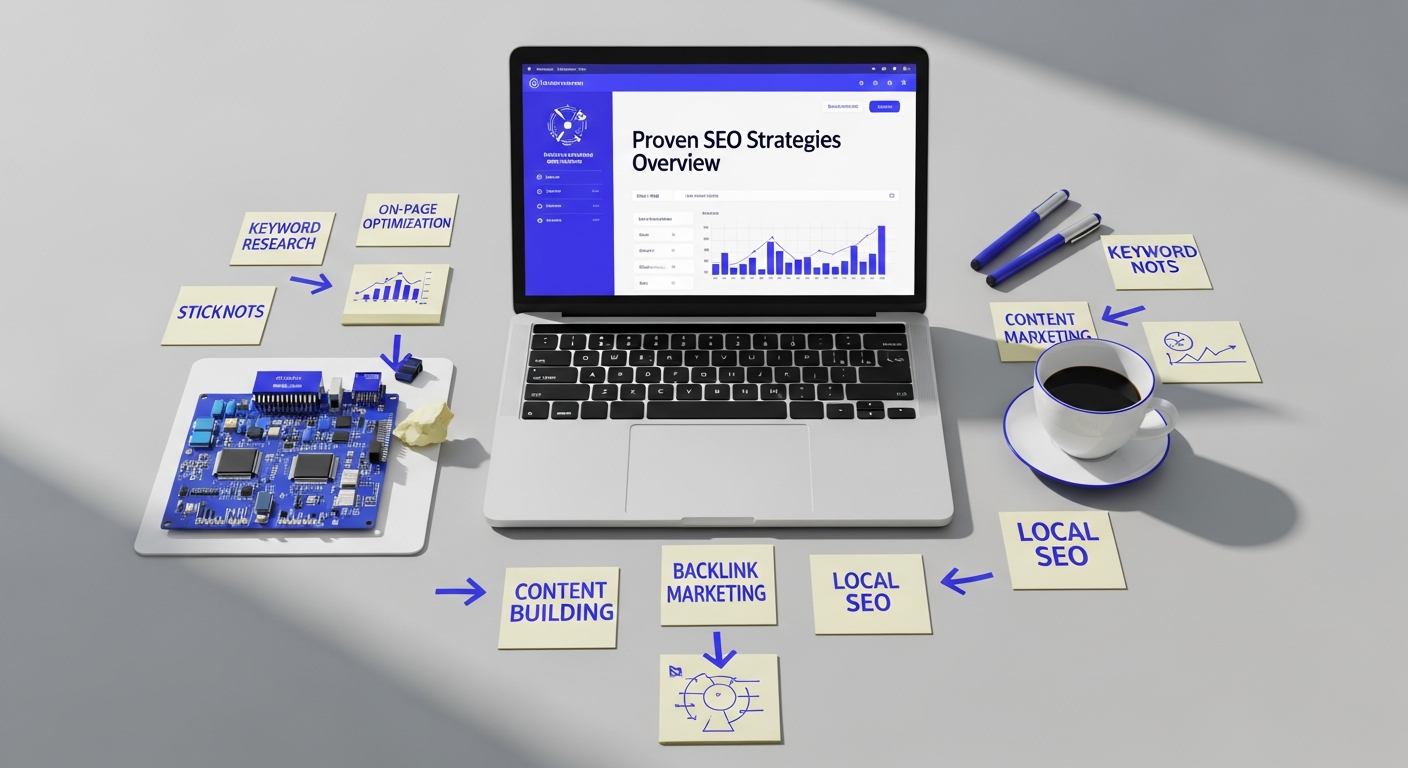
Before diving into advanced tactics, a robust foundation is non-negotiable. For any business looking to grow, a solid understanding of fundamental SEO principles is the starting point. Think of it as your essential SEO Beginners Guide, adapted for the realities of 2026.
Demystifying Keyword Research for 2026
Effective keyword research is the cornerstone of any successful SEO strategy. In 2026, it goes beyond simply identifying high-volume terms. The focus has shifted to understanding user intent – what does a user truly want when they type a query into a search engine? Are they looking for information (informational intent), trying to compare products (commercial investigation), or ready to make a purchase (transactional intent)?
To master How to Do Keyword Research in 2026, you must:
- Focus on Long-Tail Keywords and Semantic Clusters: These longer, more specific phrases often reveal clearer user intent and have less competition. Group related keywords into “semantic clusters” to create comprehensive content that covers a topic thoroughly, signaling expertise to search engines.
- Analyze Competitor Keywords: Identify what keywords your competitors are ranking for and where their content gaps might be. This can uncover lucrative opportunities you’ve missed.
- Leverage AI-Powered Tools: Modern keyword research tools incorporate AI to provide deeper insights into search trends, predict future intent shifts, and suggest related questions users are asking.
- Consider Voice Search Queries: With the continued rise of voice assistants, optimizing for natural language queries (often longer and more conversational) is increasingly important.
- Prioritize Problem-Solution Keywords: Businesses thrive by solving problems. Identify the pain points your target audience searches for and align your keywords and content directly with those solutions.
Crafting Content That Ranks and Engages
Content is still king, but only if it’s high-quality, relevant, and optimized to satisfy user intent. Knowing How to Write Posts That Rank in 2026 involves a multi-faceted approach:
- In-Depth, Authoritative Content: Move beyond superficial articles. Aim to create comprehensive resources that genuinely answer user questions, provide unique insights, and establish your brand as an authority. This aligns perfectly with E-E-A-T principles.
- User-Centric Structure: Use clear headings (
<h2>,<h3>), bullet points (<ul>,<li>), and short paragraphs to enhance readability. Make it easy for users to find the information they need quickly. - Multimedia Integration: Incorporate images, videos, infographics, and interactive elements to break up text, explain complex concepts, and improve engagement. Ensure all multimedia is optimized for fast loading and includes descriptive alt text.
- Content Freshness and Updates: Regularly review and update existing content to ensure accuracy, relevance, and to reflect the latest industry developments. Search engines favor fresh, up-to-date information.
- Strong Call-to-Actions (CTAs): Guide users on the next step, whether it’s downloading a resource, signing up for a newsletter, or making a purchase.
On-Page Optimization Essentials
Once you have stellar content, proper on-page optimization ensures search engines can understand and rank it effectively:
- Optimized Title Tags and Meta Descriptions: Craft compelling, keyword-rich title tags (under 60 characters) and meta descriptions (under 160 characters) that accurately describe your page’s content and entice users to click.
- Header Structure (H1, H2, H3): Use a logical hierarchy of headings. Your
<h1>should be your main topic, with<h2>and<h3>breaking down subtopics and providing structure. - Internal Linking: Strategically link to other relevant pages within your site. This helps distribute link equity, guides users through your content, and signals to search engines the relationship between your pages.
- Image Optimization: Compress images for faster loading times and use descriptive alt text that includes relevant keywords for accessibility and search engine understanding.
- SEO-Friendly URLs: Keep URLs short, descriptive, and include your primary keyword. Avoid long strings of numbers or irrelevant characters.
Advanced SEO Strategies for 2026: AI, E-E-A-T, and User Experience
Beyond the fundamentals, 2026 demands a sophisticated understanding of how emerging technologies and user expectations shape search engine algorithms. Integrating AI, bolstering E-E-A-T, and perfecting user experience are no longer optional extras; they are core pillars of a competitive SEO strategy.
Leveraging AI for SEO Insights
Artificial Intelligence is not just influencing search engines; it’s empowering SEO professionals with unprecedented analytical capabilities. In 2026, AI tools can:
- Predict Search Trends: AI can analyze vast datasets to identify emerging keyword trends and user intent shifts before they become mainstream, giving you a first-mover advantage.
- Personalize Content Delivery: AI-powered recommendations can tailor content suggestions to individual users, improving engagement and time on site.
- Automate Technical Audits: AI can quickly scan your site for technical issues like broken links, crawl errors, and inefficient code, providing actionable insights for optimization.
- Enhance Content Creation (with caution): While AI can generate content, its primary value lies in assisting with research, outlining, and optimizing existing human-written content for relevance and comprehensiveness. Always ensure human oversight for accuracy, originality, and the infusion of unique experience.
Embracing AI isn’t about replacing human SEO experts, but rather augmenting their capabilities to make data-driven decisions faster and more effectively.
Building E-E-A-T Signals
As mentioned, E-E-A-T (Experience, Expertise, Authoritativeness, Trustworthiness) is paramount. For tech entrepreneurs, this means demonstrating your industry leadership through:
- Author Bios and Credentials: Clearly showcase the qualifications and experience of your content creators. Highlight their industry awards, certifications, and years of practical experience.
- Expert Contributions: Feature guest posts from recognized industry leaders, or collaborate with influencers to create content.
- Citations and References: Back up claims with credible sources, linking to academic papers, industry reports, and reputable news outlets.
- Online Reviews and Testimonials: Actively solicit and manage reviews on platforms like Google Business Profile, G2, Capterra, and Trustpilot. Positive reviews are strong trust signals.
- Brand Mentions and PR: Strive for mentions in authoritative publications, industry news sites, and podcasts. These unlinked mentions still contribute to brand authority.
Building E-E-A-T is a long-term strategy that requires consistent effort in content quality, public relations, and community engagement.
Optimizing for User Experience (UX)
A superior user experience is indistinguishable from good SEO in 2026. Search engines prioritize sites that provide a seamless, enjoyable experience. This includes:
- Intuitive Site Navigation: Ensure users can easily find what they’re looking for with clear menus, logical categories, and a robust internal search function.
- Fast Page Loading Times: While covered in technical SEO, the direct impact on UX cannot be overstated. Users expect instant gratification; slow sites lead to high bounce rates.
- Mobile Responsiveness: Your site must look and function perfectly on all devices, from desktops to smartphones and tablets.
- Accessibility: Design your site to be usable by everyone, including those with disabilities. This includes proper alt text for images, keyboard navigation, and clear font sizes.
- Engaging Content Presentation: Use visuals, interactive elements, and clear formatting to make content engaging and easy to consume.
By focusing on UX, you’re not just pleasing visitors; you’re also sending positive signals to search engines that your site is valuable and user-friendly.
Technical SEO in 2026: Speed, Core Web Vitals, and Structured Data
While content and user experience are king, technical SEO forms the bedrock that allows search engines to effectively crawl, index, and understand your website. In 2026, technical excellence is more critical than ever, with a strong focus on site speed, Google’s Core Web Vitals, and structured data implementation.
The Unyielding Importance of Site Speed
Page load speed is a non-negotiable factor for both user experience and search engine rankings. Slow websites lead to higher bounce rates and frustrated users, which search engines interpret as a negative signal. In 2026, optimizing for speed means:
- Server Response Time: Ensure your hosting provider offers fast, reliable service. Consider a Content Delivery Network (CDN) for global reach and faster content delivery.
- Image Optimization: Compress images without sacrificing quality, use modern formats like WebP, and implement lazy loading to defer offscreen images.
- Code Minification: Minimize HTML, CSS, and JavaScript files by removing unnecessary characters and spaces.
- Browser Caching: Configure your server to allow browsers to store static files (like images and CSS) so they don’t have to be re-downloaded on subsequent visits.
- Reduce Redirects: Excessive redirects can slow down page load times. Audit and eliminate unnecessary chains.
Mastering Core Web Vitals (CWV)
Google’s Core Web Vitals are a set of real-world, user-centric metrics that quantify key aspects of the user experience. They are a direct ranking factor. For 2026, focus on:
- Largest Contentful Paint (LCP): Measures loading performance. Aim for your LCP to occur within 2.5 seconds of when the page first starts loading. Optimize images, videos, and large text blocks.
- Interaction to Next Paint (INP): This metric, replacing First Input Delay (FID), measures responsiveness by assessing the latency of all user interactions with a page. A good INP score is 200 milliseconds or less. Optimize JavaScript execution, minimize main-thread work, and reduce input delay.
- Cumulative Layout Shift (CLS): Measures visual stability. A good CLS score is 0.1 or less. Ensure elements don’t shift unexpectedly after the page has loaded, often caused by images or ads loading late without reserved space.
Regularly monitor your CWV performance using Google Search Console and Lighthouse reports. Addressing these metrics is crucial for maintaining competitive rankings.
Structured Data and Schema Markup
Structured data, implemented using Schema.org vocabulary, is crucial for helping search engines understand the context and relationships of content on your page. By adding schema markup, you can enhance your presence in search results through rich snippets and other special features.
- Enriching SERP Appearance: Schema markup can lead to rich snippets (e.g., star ratings, product prices, event dates) directly in the search results, increasing click-through rates.
- Improving AI Understanding: As AI-powered search becomes more prevalent, structured data helps these systems accurately interpret your content, enabling them to provide more precise answers and summaries.
- Common Schema Types for Businesses: Consider implementing schema for
Organization,Article,Product,FAQPage(as demonstrated in this article),LocalBusiness,Review, andEvent, depending on your business model.
Use Google’s Structured Data Testing Tool or Rich Results Test to validate your implementation and ensure it’s correctly interpreted.
Mobile-First and Accessibility
While mobile-first indexing has been a standard for years, its importance only grows. Ensure your website is not just responsive, but also optimized for mobile user experience. This includes easy-to-tap buttons, readable text without zooming, and fast load times on mobile networks. Furthermore, accessibility (making your site usable for people with disabilities) is increasingly intertwined with SEO. Implementing ARIA attributes, ensuring keyboard navigation, and providing descriptive text for non-text elements not only expands your audience but also sends positive signals to search engines about your site’s quality and inclusivity.
Building Authority and Trust: Off-Page SEO and Brand Signals
While on-page and technical SEO focus on your website, off-page SEO extends your efforts across the broader internet. In 2026, building authority and trust isn’t just about backlinks; it’s about cultivating a strong, credible brand presence that search engines recognize and reward.
Strategic Link Building in 2026
Backlinks remain a powerful ranking signal, but the emphasis has shifted entirely to quality, relevance, and natural acquisition. Manipulative link schemes are detrimental. For 2026, focus on:
- High-Quality, Relevant Backlinks: Seek links from authoritative websites within your niche or related industries. A few strong, relevant links are far more valuable than many low-quality ones.
- Content-Driven Link Acquisition: Create exceptional, shareable content (e.g., original research, comprehensive guides, unique tools) that naturally attracts links from other sites.
- Digital PR and Outreach: Develop relationships with journalists, bloggers, and industry influencers. Pitch compelling stories, offer expert commentary, and create resources that media outlets will want to reference.
- Broken Link Building: Identify broken links on authoritative websites in your niche and offer your relevant content as a replacement.
- Resource Page Link Building: Find resource pages that curate useful links on specific topics and suggest your relevant content for inclusion.
Remember, the goal is to earn links that genuinely enhance your site’s authority and are perceived as editorial endorsements.
Brand Mentions and Online Reputation Management
Search engines are increasingly sophisticated at understanding brand sentiment and authority, even through unlinked mentions. Cultivating a strong brand presence involves:
- Monitoring Brand Mentions: Use tools to track whenever your brand, products, or key personnel are mentioned online. Engage where appropriate to amplify positive sentiment or address concerns.
- Encouraging Positive Reviews: Actively encourage satisfied customers to leave reviews on industry-specific platforms, Google Business Profile, and social media. Respond professionally to all reviews, positive or negative.
- Social Media Engagement: While social signals aren’t direct ranking factors, an active and engaged social media presence can drive traffic, increase brand visibility, and indirectly contribute to SEO by fostering community and brand awareness.
- Building a Strong Brand Story: A compelling brand narrative helps connect with your audience, leading to greater trust and loyalty, which can translate into better engagement metrics and brand searches.
Local SEO for Targeted Growth
For businesses with a physical presence or those targeting a specific geographical area, Local SEO is indispensable in 2026. This allows you to capture highly motivated local customers:
- Google Business Profile (GBP) Optimization: This is the cornerstone of Local SEO. Ensure your GBP listing is complete, accurate, and regularly updated with photos, services, and business hours. Encourage and respond to reviews.
- Local Citations: Maintain consistent Name, Address, Phone number (NAP) across all online directories (e.g., Yelp, Yellow Pages, industry-specific listings).
- Geo-Targeted Content: Create content specifically for local audiences, such as “best tech startups in [city]” or “IT support for businesses in [region].”
- Local Reviews: Reviews on your GBP and other local directories are crucial for local ranking and trust.
Measuring Success and Adapting: Analytics and Iteration
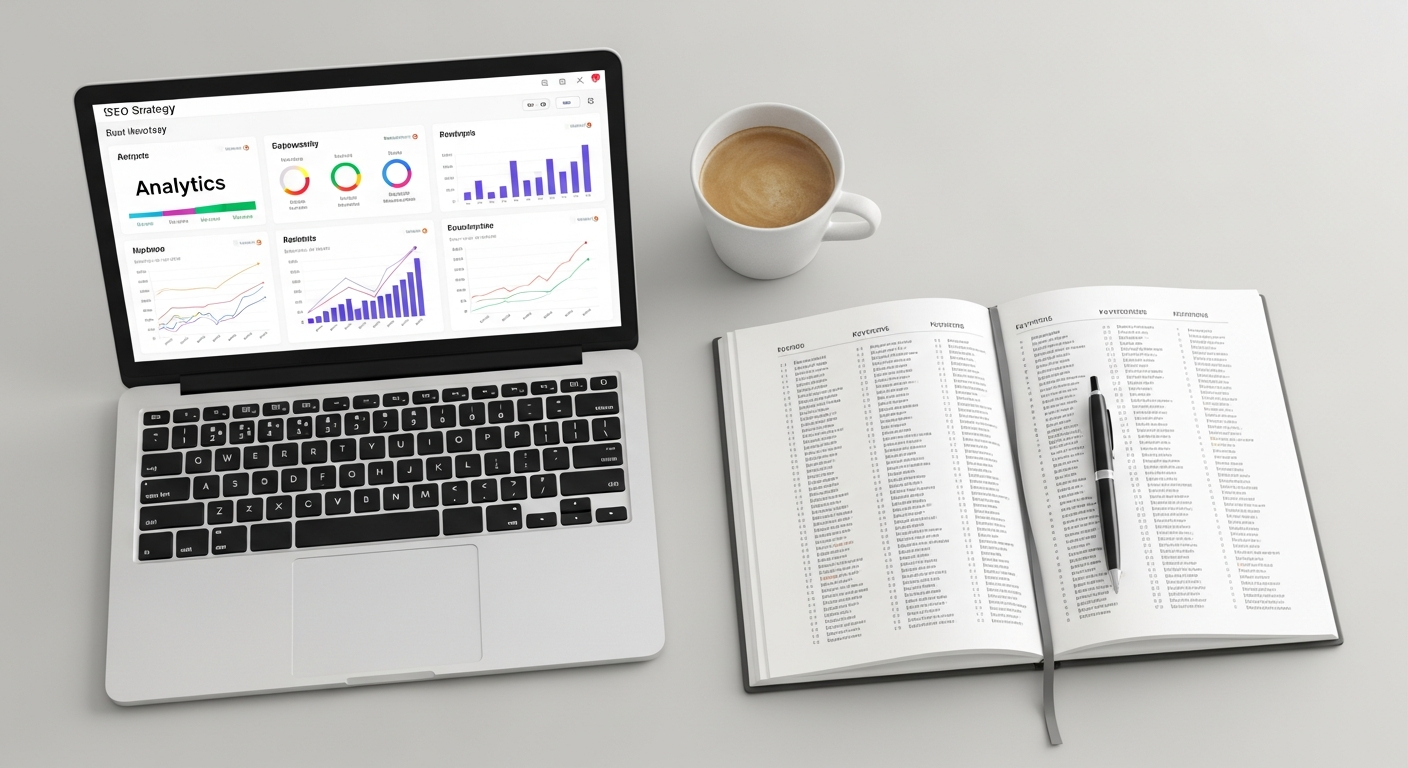
An SEO strategy, no matter how well-planned, is only as effective as its ability to be measured, analyzed, and adapted. In 2026, data-driven decision-making is paramount for continuous growth and staying ahead of algorithm shifts.
Key Performance Indicators (KPIs) for SEO
To understand the impact of your SEO efforts, focus on these critical KPIs:
- Organic Traffic: The number of visitors coming to your site from search engines. Track trends over time.
- Keyword Rankings: Monitor your position in search results for your target keywords. While not the sole metric, it indicates visibility.
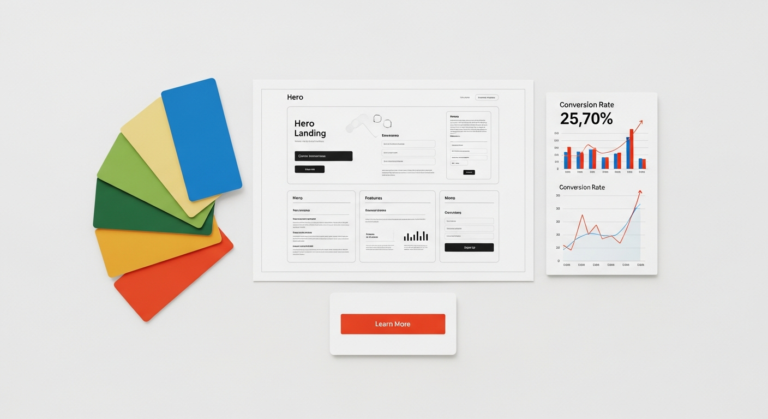
- Conversion Rates: How many organic visitors complete a desired action (e.g., purchase, form submission, download)? This directly links SEO to business objectives.
- Bounce Rate: The percentage of visitors who
Recommended Resources
Check out How To Use Obsidian For Note Taking on Bookmark Sharer for a deeper dive.
Check out Canva Pro Tips For Designers on Layout Scene for a deeper dive.