The Remote Revolution & Its Software Imperative
The global workforce has undergone a metamorphosis, and there’s no turning back. What began as a necessity in the early 2020s has solidified into a preferred, often more productive, operational model for countless enterprises. Data consistently demonstrates that a significant percentage of employees desire continued flexibility, and forward-thinking companies are embracing this not as a concession, but as a strategic advantage. By 2026, the fully office-centric model will be an outlier for many industries, giving way to dynamic, distributed teams that demand a new breed of enterprise software. The imperative here is clear: traditional, monolithic systems designed for co-located workforces crumble under the weight of remote demands. Businesses face challenges ranging from maintaining team cohesion and fostering a strong company culture across distances, to ensuring robust cybersecurity and frictionless access to critical resources.
The very fabric of enterprise operations, from HR to sales to product development, must be re-engineered through innovative software solutions. This is where the agility of a startup truly shines; companies that embrace realistic tips for launching a successful startup often build their tech stack with remote-first principles from day one, giving them a significant head start over incumbents struggling to retrofit legacy systems. These nascent enterprises understand that the future of work isn’t about replicating the office experience online, but about creating entirely new paradigms that leverage technology to enhance human potential, regardless of location. This fundamental shift necessitates a deep dive into the innovations that aren’t just supporting, but actively propelling the remote workforce forward, ensuring that operational efficiency, employee well-being, and competitive advantage are not just maintained, but amplified in a distributed world.
AI & Automation: Supercharging Remote Productivity
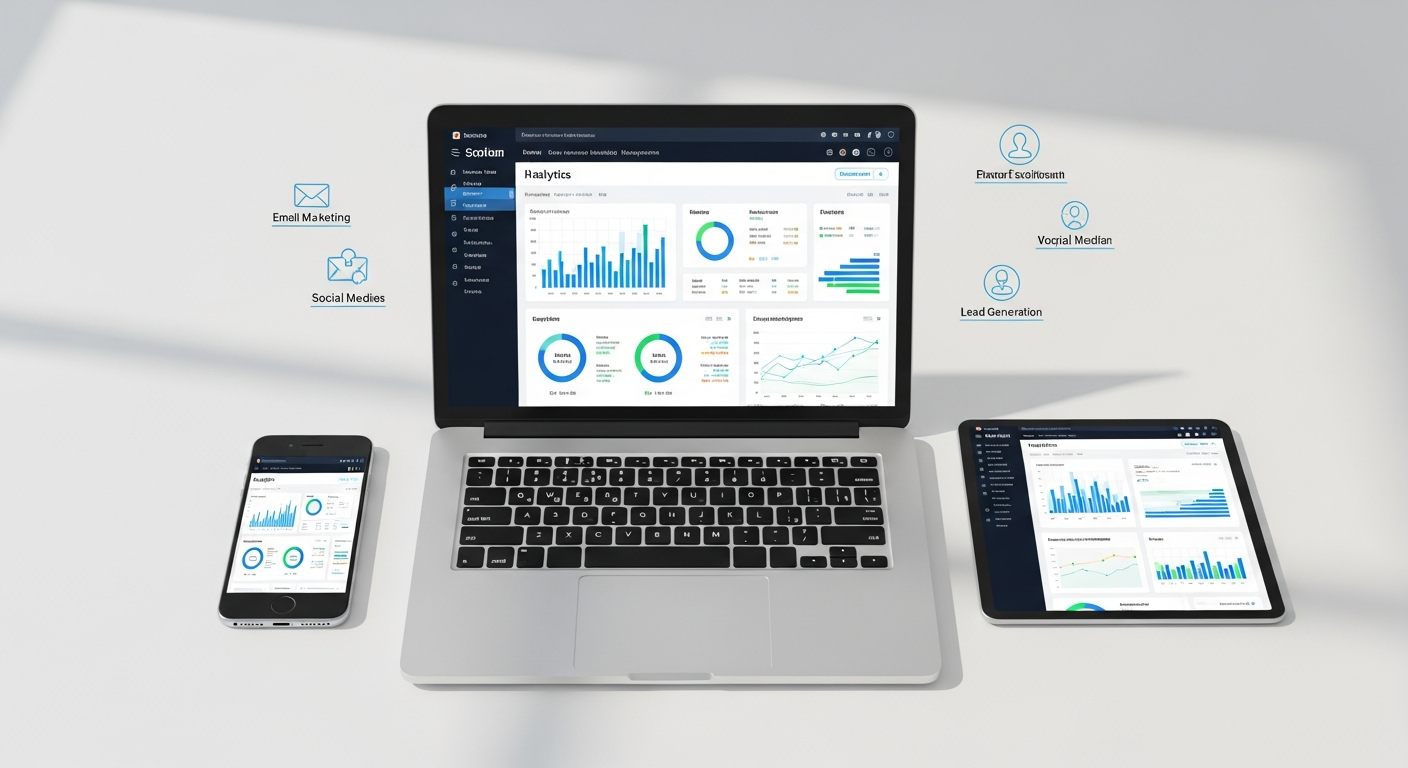
Artificial intelligence and automation are no longer futuristic concepts; they are the bedrock upon which hyper-efficient remote operations are built. For a distributed workforce, the ability to automate mundane, repetitive tasks is paramount, freeing up valuable human capital for strategic thinking and creative problem-solving. Consider AI-powered virtual assistants that schedule meetings across disparate time zones, intelligently manage calendars, and even prepare meeting agendas based on past interactions. Imagine intelligent document processing systems that extract and categorize data from invoices, contracts, or customer feedback in seconds, feeding it directly into relevant enterprise resource planning (ERP) or customer relationship management (CRM) systems. Automated workflow engines are becoming increasingly sophisticated, triggering actions based on predefined conditions, such as automatically assigning support tickets to the right team member, sending follow-up emails after a sales call, or onboarding new employees with personalized task sequences—all without a single human touch point.
Machine learning algorithms are now deeply embedded in enterprise software, offering predictive analytics that can foresee potential project roadblocks by analyzing historical data and current progress. They can optimize resource allocation across a global team, ensuring the right talent is deployed to the right tasks at the right time. Furthermore, AI can even identify skill gaps within a remote team, recommending personalized training modules and development paths to foster continuous growth. This level of automation isn’t just about speed; it’s about precision, consistency, and a dramatic reduction in human error, all crucial for maintaining operational excellence when teams are not physically co-located. AI is also revolutionizing knowledge management. Imagine a system that automatically transcribes and summarizes lengthy video meetings, identifies key action items, and distributes them to relevant team members, complete with deadlines and responsible parties. This significantly reduces information silos, ensures everyone, regardless of their location or time zone, remains aligned and informed, and dramatically cuts down on post-meeting administrative burdens. For digital marketers, this isn’t just internal efficiency; it’s about leveraging AI-driven insights to understand customer behavior, predict market trends, and optimize campaigns in real-time, powerfully demonstrating 4 ways tech is changing the way we market by transforming raw data into actionable, hyper-targeted strategies that resonate with a global, diverse audience.
Collaboration & Communication Reimagined
Integrated project management suites are no longer just task trackers; they are central nervous systems, pulling in communications, files, deadlines, and progress updates from across various tools into a single, cohesive view. These platforms integrate deeply with messaging apps, cloud storage, and development tools, providing a single source of truth for all project-related information. The emphasis on asynchronous communication is also growing exponentially, recognized as vital for teams spread across multiple time zones. Tools that facilitate detailed, contextual discussions without requiring immediate responses are crucial for ensuring global inclusivity. This includes sophisticated messaging platforms with robust threading, reaction features, and integration with project tasks; advanced document collaboration tools with granular version control, real-time co-editing, and comprehensive commenting features; and internal wikis or knowledge bases that serve as living repositories of company information, accessible anytime, anywhere. These innovations ensure that important decisions and discussions are documented, accessible, and inclusive, allowing diverse talent – including how unknown candidates have taken advantage of technology to win by contributing valuable insights without being limited by their location or typical working hours – to fully participate, contribute their unique perspectives, and thrive, fostering a truly global and equitable workforce.
Cybersecurity & Compliance in a Distributed World
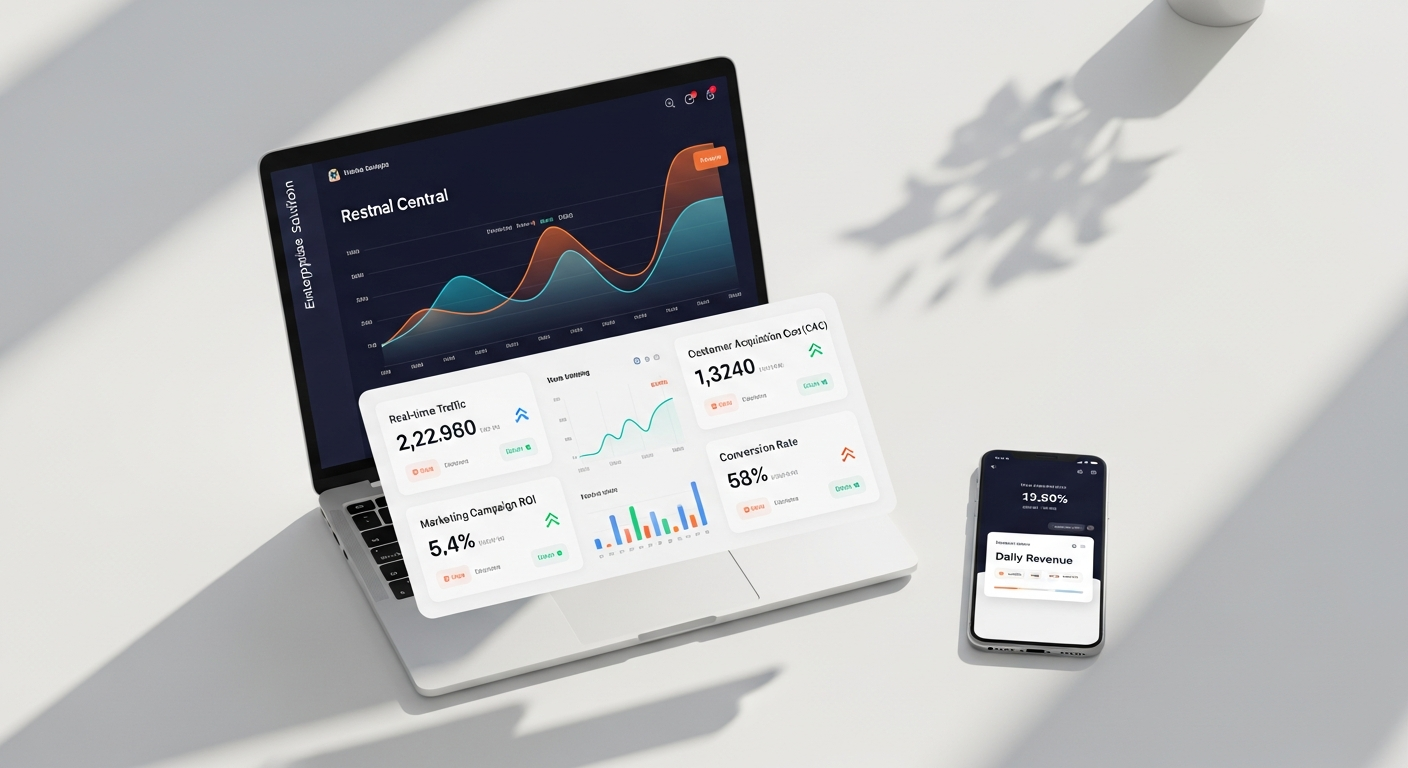
With a sprawling remote workforce, the traditional perimeter defense of corporate networks has dissolved, replaced by a complex tapestry of home networks, personal devices, and public Wi-Fi connections. This paradigm shift makes robust cybersecurity and stringent compliance not just important, but absolutely non-negotiable for enterprise survival. Enterprise software innovations are rising to meet this monumental challenge with proactive, adaptive, and intelligent solutions. Central to this evolution is the widespread adoption of Zero-Trust Architectures (ZTA), where no user, device, or application, whether inside or outside the traditional network perimeter, is inherently trusted. Every access request is rigorously authenticated, authorized, and continuously validated based on context, user identity, device posture, and data sensitivity. This is facilitated by advanced Identity and Access Management (IAM) solutions that go far beyond simple passwords, incorporating multi-factor authentication (MFA), biometric verification, adaptive risk-based authentication, and single sign-on (SSO) capabilities that streamline access while maintaining stringent security.
Endpoint detection and response (EDR) and extended detection and response (XDR) platforms are now crucial, providing comprehensive visibility and real-time threat detection across all remote endpoints, from laptops and mobile devices to cloud instances. These systems leverage AI and machine learning to identify anomalous behavior, respond to threats automatically, and provide security teams with deep forensic capabilities. Furthermore, the proliferation of global data privacy regulations like GDPR, CCPA, LGPD, and their myriad international counterparts imposes strict requirements on how data is collected, processed, stored, and managed. Enterprise software is evolving to include built-in compliance features, automated data classification, data loss prevention (DLP), and robust encryption capabilities that ensure sensitive information remains protected and adheres to regulatory mandates, regardless of where the workforce operates or where data resides. Tools for secure file sharing, virtual private networks (VPNs) with enhanced tunneling and split-tunneling capabilities, and Cloud Access Security Brokers (CASBs) are also critical components, providing secure access to cloud resources and monitoring cloud application usage. For tech founders, building solutions with security and compliance by design is not just a feature; it’s a foundational requirement and a key differentiator in a crowded market. It’s about building trust and demonstrating reliability from day one, which are core tenets of realistic tips for launching a successful startup – ensuring that security is an enabler, not a hindrance, to remote productivity and growth.
The Human Element: Employee Experience & Well-being
While productivity metrics are vital, the truly innovative enterprise software solutions for a remote workforce understand that sustained success hinges on the human element: employee experience and well-being. Disconnection, burnout, and mental health challenges are amplified in remote settings, making it imperative for organizations to invest in technologies that foster engagement, support mental wellness, and cultivate a strong company culture across distances. HR technology is rapidly evolving to address these nuanced needs, moving beyond transactional processes to become strategic partners in talent management and employee support. We’re seeing sophisticated platforms for continuous performance management, incorporating regular pulse surveys that gauge sentiment, 360-degree feedback loops that encourage peer-to-peer insights, and robust peer recognition systems that provide real-time insights into employee morale and engagement. These tools are designed to surface issues proactively, allowing managers to intervene and offer support before problems escalate, fostering a culture of proactive care rather than reactive crisis management.
Learning and development (L&D) platforms are also undergoing a revolution, offering personalized learning paths, bite-sized micro-learning modules, and virtual reality (VR) or augmented reality (AR) training simulations that replicate hands-on experiences, ensuring skill development remains robust and engaging regardless of an employee’s location. These platforms often leverage AI to recommend relevant courses based on career goals, performance reviews, and identified skill gaps. Furthermore, software is emerging to actively foster connection and community. Beyond formal meetings, these include virtual water cooler apps designed for informal chats, team-building games and challenges that transcend geographical boundaries, and internal social networks that mimic the informal interactions of an office environment, helping employees feel more connected and less isolated. These tools are critical in making unknown candidates who have taken advantage of technology to win feel integrated and valued, ensuring their unique perspectives contribute to the collective success and that they feel a true sense of belonging. By prioritizing the holistic well-being of their employees through such innovative software, enterprises aren’t just being benevolent; they are strategically investing in higher retention rates, boosting innovation, and building long-term organizational resilience, proving that a happy workforce is a productive workforce, regardless of where they log in.
Data-Driven Decision Making & Performance Tracking
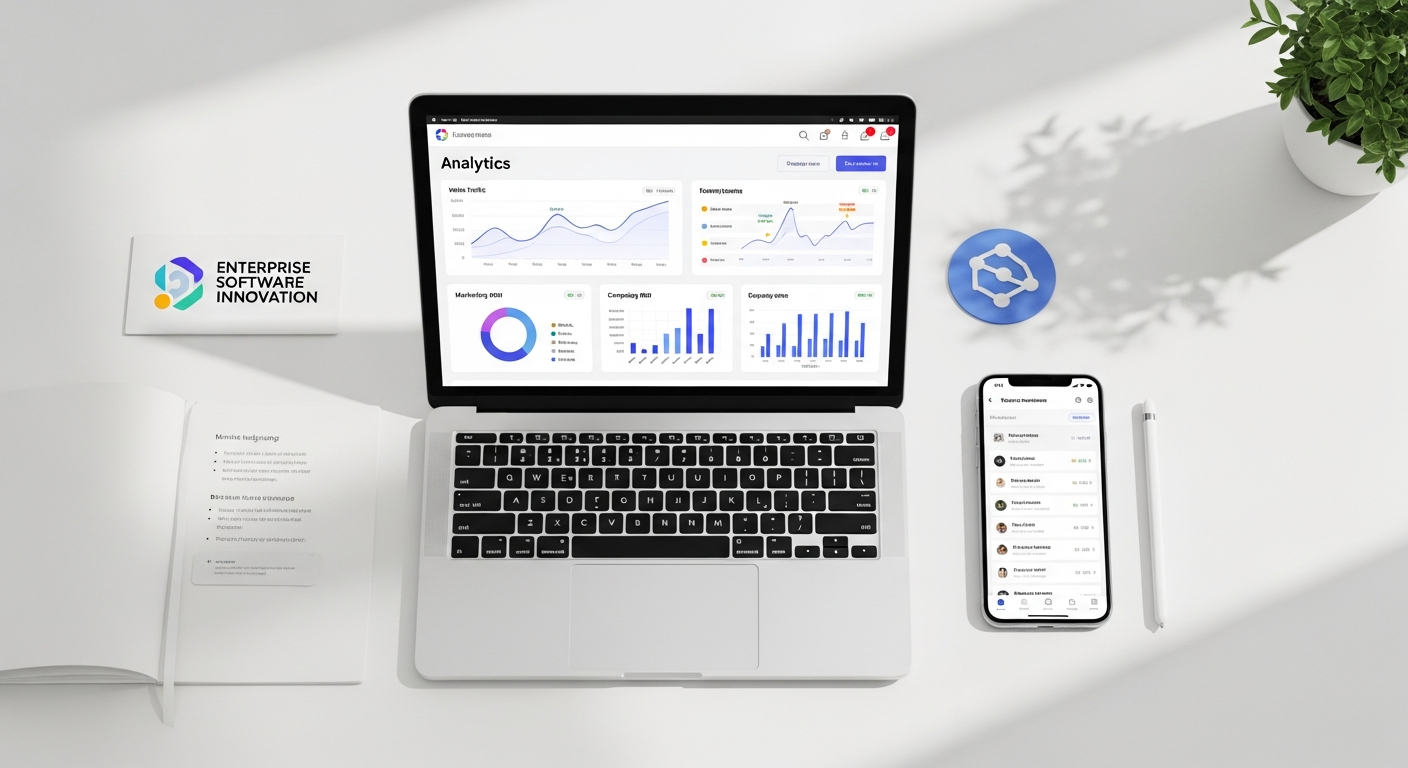
In a remote landscape, the ability to make informed, data-driven decisions becomes even more critical and complex. Leaders can no longer rely on hallway conversations, casual observations, or visual cues to gauge team morale, project progress, or operational efficiency. Instead, enterprise software innovations are providing comprehensive, centralized dashboards that offer real-time insights into every facet of remote operations. From individual and team productivity metrics to project timelines, resource utilization, and even nuanced employee sentiment, these platforms aggregate data from disparate sources – HR systems, project management tools, communication platforms, and more – to present a holistic, actionable picture. This allows leaders to move from reactive management to proactive strategy, identifying trends and making adjustments before issues escalate.
Predictive analytics, powered by advanced machine learning, are transforming talent management within remote environments. These sophisticated systems can analyze various data points to identify potential flight risks, recommend optimal team compositions for new projects based on skills and collaboration patterns, or highlight emerging skill gaps that need addressing through targeted L&D initiatives. HR analytics, in particular, is undergoing a profound evolution, moving beyond simple headcount and turnover rates to measure engagement, job satisfaction, the effectiveness of remote work policies, and the impact of well-being programs on overall productivity. Operational intelligence tools provide granular data on software usage, network performance, and workflow bottlenecks, enabling continuous optimization of remote processes. However, this power comes with significant responsibility. The ethical considerations of employee monitoring are paramount. Innovative software balances the need for oversight with transparency and trust, focusing on outcomes and empowerment rather than intrusive surveillance. The goal is to provide actionable insights that help managers support their teams, improve processes, and identify areas for growth, not to micromanage every keystroke. For digital marketers, this mirrors the evolution of marketing analytics, where data isn’t just about reporting past performance, but about predicting future trends, personalizing customer experiences, and optimizing campaign ROI in real-time. This further showcases 4 ways tech is changing the way we market from reactive campaigns to proactive, intelligent engagement, proving that data is the new currency of both internal operations and external outreach.
Future-Proofing Your Enterprise: Strategies for 2026 and Beyond
As we cast our gaze towards 2026 and beyond, future-proofing an enterprise for a predominantly remote workforce demands more than just adopting the latest tools; it requires a fundamental shift in mindset and strategy. Agility and adaptability must become core organizational values, embedded in every decision, from talent acquisition to technological investments. Enterprises must prioritize scalable, interoperable SaaS solutions that can seamlessly integrate with existing ecosystems and evolve with changing business needs. The days of monolithic, on-premise deployments are rapidly fading, replaced by cloud-native architectures that offer unparalleled flexibility, resilience, and global accessibility, crucial for a distributed team operating across different geographies and time zones.
A significant innovation contributing to future-proofing is the rise of low-code and no-code platforms. These empower business users, not just professional developers, to build and customize applications and automate workflows rapidly. This democratizes innovation, allowing remote teams to quickly iterate on solutions tailored to their unique challenges, fostering a culture of continuous improvement and self-sufficiency. For instance, a marketing team could build a custom lead tracking system, or an HR team could automate a feedback collection process, all without requiring extensive IT support. This agile approach is particularly relevant for realistic tips for launching a successful startup, where rapid prototyping and iteration are key to market validation and sustainable growth. Furthermore, fostering a culture of continuous learning and technology adoption is paramount. The pace of software innovation is relentless, and enterprises must invest in robust training programs, digital literacy initiatives, and effective change management strategies to ensure their remote workforce can effectively leverage new tools and adapt to evolving workflows. The ability to quickly onboard new technologies, integrate them into daily operations, and continuously upskill employees will be a defining characteristic of successful enterprises in the coming years. By embracing these strategic imperatives – agility, interoperability, democratic innovation, and continuous learning – companies can not only survive but truly thrive in the dynamic remote-first landscape, ensuring they remain competitive, attractive to top global talent, and resilient against future disruptions.
Frequently Asked Questions
Recommended Resources
Related reading: How To Avoid Burnout Working Remotely (Bookmark Sharer).
Check out Visual Hierarchy In Design Explained on Layout Scene for a deeper dive.