Why Project Management Software is Crucial for Startups in 2026
The startup ecosystem of 2026 is more dynamic and competitive than ever. New businesses face immense pressure to innovate, deliver quickly, and prove their value in a crowded market. Without a robust system to manage projects, even the most brilliant ideas can falter due to poor execution, missed deadlines, and miscommunication. Project management software provides the necessary structure and visibility that startups desperately need.
Firstly, it brings unparalleled clarity and accountability. In a small, fast-moving team, roles can often blur. A dedicated project management tool defines who is responsible for what, by when, and how it contributes to the larger objective. This eliminates guesswork and fosters a culture of ownership, which is vital for building a high-performing team.
Secondly, it significantly improves collaboration. Startups often have remote or hybrid teams, making real-time communication and shared understanding crucial. Project management software acts as a central hub where ideas are exchanged, feedback is given, and progress is tracked collaboratively. This ensures everyone is on the same page, regardless of their location, reducing silos and boosting collective efficiency.
Thirdly, these tools are instrumental in resource optimization and strategic planning. Startups operate with limited budgets and human resources. Project management software helps allocate tasks efficiently, identify bottlenecks before they become critical, and visualize workloads to prevent burnout. This proactive approach ensures that precious resources are utilized effectively, maximizing output without overstretching the team.
Moreover, modern project management solutions offer powerful reporting and analytics capabilities. For a startup, data is king. The ability to track project progress, identify successful strategies, and learn from past challenges through clear reports is invaluable. These insights enable agile adjustments, informed decision-making, and continuous improvement, which are all hallmarks of a successful growth trajectory. In a landscape where speed and adaptability are paramount, project management software is no longer just a tool for organizing tasks; it’s a strategic asset that empowers startups to achieve their goals more efficiently and sustainably in 2026 and beyond.
Key Features Startups Should Look For in Project Management Software
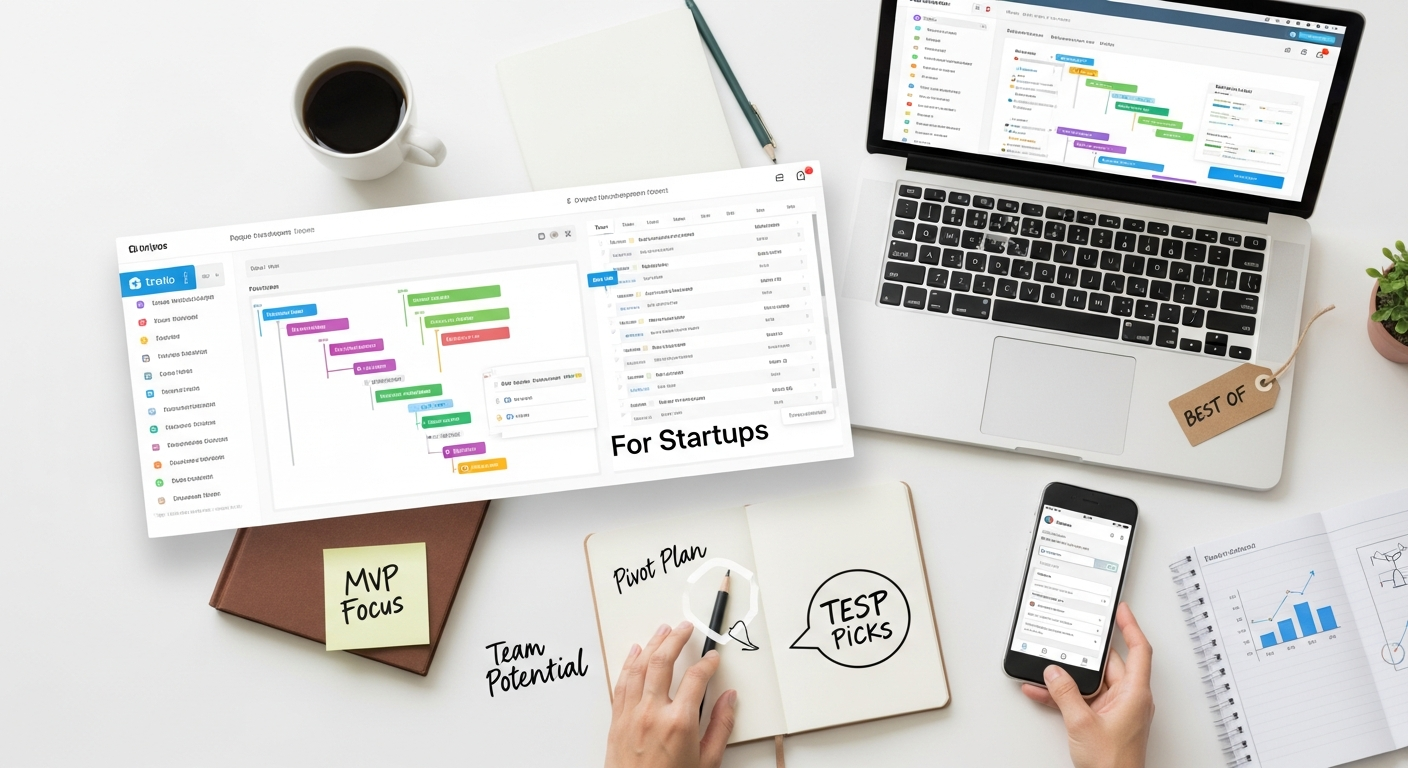
When evaluating the myriad of project management software options available in 2026, startups need to prioritize features that directly address their unique challenges and growth aspirations. Not all tools are created equal, and what works for a large enterprise might overwhelm a lean startup team. Here are the essential features to consider:
- Intuitive User Interface (UI) and Ease of Use: This is paramount for startups. With limited time for extensive training, a tool that’s easy to learn and adopt ensures quick buy-in from the team. A clunky interface will lead to frustration and underutilization.
- Task Management Capabilities: At its core, project management is about managing tasks. Look for features like task creation, assignment, due dates, subtasks, dependencies, priority settings, and recurring tasks. Visual task boards (Kanban) and list views are highly beneficial.
- Collaboration Tools: Startups thrive on communication. The software should facilitate seamless collaboration through comments, file sharing, @mentions, real-time updates, and perhaps even built-in chat or video conferencing integration.
- Reporting and Analytics: To make data-driven decisions, startups need robust reporting. Look for dashboards that visualize project progress, team workload, time spent on tasks, and identify potential bottlenecks. This helps in understanding project health and resource allocation.
- Customization Options: While ease of use is key, the ability to customize workflows, fields, and templates to fit your startup’s specific processes is crucial as you evolve. Flexibility ensures the tool grows with you.
- Integrations: Your project management tool shouldn’t live in a silo. It needs to connect seamlessly with other essential startup tools, such as communication platforms (Slack, Microsoft Teams), cloud storage (Google Drive, Dropbox), CRM systems, and development tools (GitHub). The ability to integrate with financial software or marketing tools is also a significant plus.
- Scalability: Choose a solution that can scale with your startup. What works for a team of 5 might not work for 50. Look for flexible pricing plans and features that support increasing team sizes and project complexities without requiring a complete overhaul.
- Affordability and Pricing Models: Budget is always a concern for startups. Many tools offer free tiers for small teams or affordable per-user pricing. Understand the total cost of ownership, including potential add-ons or premium features.
- Mobile Accessibility: In today’s hybrid work environment, access to project information on the go is vital. Ensure the software offers robust mobile apps for both iOS and Android.
- Time Tracking: For startups that bill clients hourly or need to understand time investments for internal projects, integrated time tracking can be incredibly valuable for efficiency and accountability.
- Document Management: The ability to attach files, create documents, and maintain version control within the project context simplifies information access and reduces reliance on external document storage solutions.
By carefully evaluating these features against your startup’s specific needs, you can narrow down the options and select a project management software that truly empowers your team.
Top Project Management Software Contenders for Startups in 2026
Asana: For Teams Seeking Structure and Clarity
Asana is a well-established player known for its intuitive interface and robust features designed to help teams organize, track, and manage their work. It excels at bringing clarity to complex projects, making it a strong choice for startups that value structured workflows and clear communication.
- Strengths for Startups: Asana offers multiple project views, including list, board (Kanban), calendar, and Gantt charts, catering to different preferences. Its task management is highly detailed, allowing for subtasks, dependencies, and custom fields. The collaboration features are excellent, with rich commenting, file attachments, and direct messaging. Asana’s reporting capabilities provide good insights into project progress and team workload. It integrates with hundreds of other tools, making it a central hub for various business operations. The free tier is quite generous for small teams, offering essential features to get started.
- Potential Drawbacks: While powerful, Asana can sometimes feel overwhelming for very small teams or those new to project management due to its extensive feature set. The more advanced features, like portfolios and workload management, are locked behind higher-tier plans, which can become costly as a startup scales.
- Ideal Use Case: Startups with cross-functional teams, marketing agencies, product development teams, or those managing complex projects with many moving parts that require clear task ownership and tracking.
Trello: The Visual and Collaborative Powerhouse
Trello, powered by Atlassian, is famous for its simple yet effective Kanban board interface. It visualizes tasks as cards on boards, making it incredibly intuitive for tracking progress through different stages. Its simplicity makes it an excellent entry point for startups new to project management.
- Strengths for Startups: Trello’s drag-and-drop interface is incredibly easy to learn and use, ensuring rapid team adoption. Its visual nature is perfect for brainstorming, content calendars, and simple project workflows. Collaboration is seamless, with comments, checklists, and attachments directly on cards. “Power-Ups” (integrations) extend its functionality, allowing connections to tools like Slack, Google Drive, and Salesforce. The free version is highly capable for small teams, offering unlimited boards and cards.
- Potential Drawbacks: While excellent for visual task management, Trello can struggle with very complex projects requiring intricate dependencies, Gantt charts, or advanced reporting. Its strength in simplicity can become a limitation for highly detailed project planning.
- Ideal Use Case: Startups focused on visual project management, content creation, agile development (simple sprints), marketing campaign tracking, or those needing a very user-friendly tool for general team organization.
Monday.com: The Highly Customizable Work OS
Monday.com positions itself as a “Work OS,” offering extreme flexibility and customization to manage virtually any type of work, not just projects. Its colorful, intuitive interface and extensive template library make it highly appealing to startups looking for a versatile solution.
- Strengths for Startups: Monday.com’s strength lies in its adaptability. Users can customize boards, columns, and dashboards to fit their exact workflows, whether it’s project management, CRM, HR, or marketing. It offers multiple views (Kanban, Gantt, calendar, map), robust automation capabilities to streamline repetitive tasks, and excellent collaboration features. Its reporting and analytics are visually appealing and highly customizable, providing deep insights. The platform integrates with many popular tools, further enhancing its versatility.
- Potential Drawbacks: The per-user pricing model can become expensive as a startup grows, especially for larger teams needing advanced features. While highly customizable, the sheer number of options can sometimes lead to a steeper learning curve for new users compared to simpler tools like Trello.
- Ideal Use Case: Startups that need a highly flexible, all-in-one platform to manage diverse aspects of their business beyond just projects, including client management (similar to How To Choose Crm For Small Business considerations), marketing operations, and product roadmapping.
ClickUp: The All-in-One Productivity Hub
ClickUp aims to be “one app to replace them all,” offering an incredibly extensive set of features designed to cover virtually every aspect of project and task management. It’s a powerful option for startups looking for a single, comprehensive solution.
- Strengths for Startups: ClickUp boasts an impressive array of features, including dozens of customizable views (list, board, box, Gantt, calendar, map, etc.), robust task management with custom statuses, priorities, and dependencies, and powerful automation. It includes built-in time tracking, goal tracking, wikis, and even basic CRM functionalities. Its collaboration tools are comprehensive, with chat, comments, and real-time editing. The free plan is exceptionally generous, offering a vast amount of functionality for unlimited users, making it highly attractive for budget-conscious startups.
- Potential Drawbacks: The sheer volume of features can be overwhelming for new users, potentially leading to a longer onboarding process. While powerful, the interface can sometimes feel cluttered, and performance can occasionally be slower due to its complexity.
- Ideal Use Case: Startups that want a single platform to manage nearly everything, from software development and marketing campaigns to HR and client projects. Those comfortable with a feature-rich environment and willing to invest time in setup and customization will find immense value.
Jira: For Agile Software Development Startups
Jira, also by Atlassian, is the industry standard for agile software development teams. While it can be adapted for other uses, its core strength lies in managing complex development projects, sprints, and issues. For tech-focused startups, it’s often the go-to.
- Strengths for Startups: Jira offers powerful Scrum and Kanban boards tailored for agile methodologies, robust issue tracking, backlog management, and detailed reporting (burn-down charts, velocity reports). It integrates seamlessly with other development tools like GitHub and Bitbucket, as well as Atlassian products like Confluence. Its customization options for workflows and issue types are extensive, allowing teams to precisely model their development process.
- Potential Drawbacks: Jira has a steeper learning curve and is less intuitive for non-technical teams. Its interface can feel less user-friendly for general project management tasks compared to tools like Trello or Asana. Pricing can also add up, especially for larger teams needing premium features.
- Ideal Use Case: Software development startups, DevOps teams, and any tech-centric startup that follows agile methodologies (Scrum, Kanban) and requires robust issue tracking and release management.
Wrike: Scalable Enterprise-Grade Project Management
Wrike is a versatile project management tool that offers a comprehensive suite of features, catering to teams of all sizes, from small startups to large enterprises. It’s known for its robust capabilities in planning, collaboration, and reporting.
- Strengths for Startups: Wrike offers flexible project views, including Gantt charts, Kanban boards, and tables, alongside powerful task management features like subtasks, dependencies, and custom workflows. Its collaboration features are strong, with real-time editing, commenting, and file sharing. Wrike provides excellent reporting and analytics, allowing startups to gain deep insights into project performance and resource utilization. It boasts a wide range of integrations and offers enterprise-grade security, which can be reassuring as a startup grows.
- Potential Drawbacks: Wrike can be more expensive than some other options, especially as a startup scales and requires more advanced features. Its comprehensive nature might also mean a slightly steeper learning curve for teams completely new to project management.
- Ideal Use Case: Startups that anticipate rapid growth and need a scalable solution that can handle increasing complexity, marketing agencies, professional services firms, or those requiring advanced reporting and resource management from the outset.
Zoho Projects: The Integrated Ecosystem Advantage
Zoho Projects is part of the larger Zoho Suite, offering a powerful and affordable project management solution that integrates seamlessly with other Zoho applications (CRM, finance, marketing, etc.). This makes it an attractive option for startups already using or considering the Zoho ecosystem.
- Strengths for Startups: Zoho Projects provides a comprehensive set of features, including task management, Gantt charts, timesheets, issue tracking, and detailed reporting. Its built-in collaboration tools, such as forums, chats, and wikis, foster team communication. The ability to integrate effortlessly with Zoho CRM, Zoho Books, and other Zoho apps creates a unified operational environment, which is a significant advantage for startups looking for an all-in-one business solution. Pricing is highly competitive, offering great value for money, and there’s a capable free plan.
- Potential Drawbacks: While comprehensive, the interface might feel less modern or intuitive than some dedicated PM tools. Its strength is amplified when used within the Zoho ecosystem; standalone, it’s still good but might lack some of the specialized depth of a tool like Jira for specific use cases.
- Ideal Use Case: Startups already invested in the Zoho ecosystem or those seeking a cost-effective, comprehensive suite of business tools where project management is tightly integrated with CRM, finance, and other operations.
How to Choose the Right Project Management Software for YOUR Startup
Selecting the ideal project management software is a critical decision that can significantly impact your startup’s efficiency and growth. It’s not about finding the “best” tool in an absolute sense, but rather the best fit for your unique needs. This process requires careful consideration, much like when a growing business needs to decide How To Choose Crm For Small Business or How To Choose Business Intelligence Tool – it’s about aligning technology with strategy. Here’s a structured approach:
- Define Your Startup’s Specific Needs and Goals:
- What are your biggest pain points? Are you struggling with missed deadlines, poor communication, lack of accountability, or unclear workflows?
- What kind of projects do you primarily manage? Are they creative, technical, marketing-focused, or a mix?
- What’s your team size and structure? Do you have remote workers, cross-functional teams, or freelancers?
- What’s your budget? Be realistic about what you can afford, considering both per-user costs and potential feature upgrades.
- What level of reporting do you need? Basic progress tracking or in-depth analytics on resource utilization and project profitability?
- Assess Your Team’s Technical Proficiency and Adoption Likelihood:
- A tool, no matter how powerful, is useless if your team won’t use it. Prioritize ease of use and an intuitive interface.
- Consider the learning curve. Are your team members tech-savvy, or do they prefer simpler, more visual tools?
- Involve key team members in the selection process. Their buy-in is crucial for successful adoption.
- Evaluate Essential Features Based on Your Needs:
- Refer back to the “Key Features” section. Which ones are non-negotiable for your startup? Task management, collaboration, reporting, and integrations are almost always critical.
- Do you need specific views like Gantt charts for planning, Kanban boards for agile, or simple lists for daily tasks?
- Is time tracking or advanced resource management a necessity?
- Consider Integration with Your Existing Stack:
- Your project management software shouldn’t be an isolated island. It needs to connect with your communication tools (Slack, Teams), cloud storage (Google Drive, Dropbox), development platforms (GitHub), and potentially your CRM or marketing automation tools. Strong integrations streamline workflows and prevent data silos.
- Prioritize Scalability:
- Startups grow, and your chosen tool should grow with you. Look for flexible pricing plans that accommodate increasing team sizes and features that support more complex projects as your business scales. Avoid tools that might necessitate a complete migration in a year or two.
- Take Advantage of Free Trials and Demos:
- The best way to evaluate software is to use it. Most platforms offer free trials. Gather a small team, create a real (or simulated) project, and put the top contenders through their paces. Pay attention to user experience, ease of setup, and how well it supports your core workflows.
- Solicit feedback from your team during the trial period. Their practical experience will be invaluable.
- Review Support and Community:
- Good customer support and a vibrant user community can be lifesavers, especially for startups navigating new tools. Check for online documentation, tutorials, forums, and responsive support channels.
By following these steps, you can move beyond simply comparing feature lists and make an informed decision that truly empowers your startup to manage projects effectively and achieve its ambitious goals in 2026.
Implementing and Maximizing Your Project Management Software’s Potential
Acquiring the best project management software is only half the battle; successful implementation and continuous optimization are crucial to realizing its full potential. A well-executed rollout can transform your startup’s operational efficiency, while a poor one can lead to frustration and underutilization. Here’s how to ensure your new tool becomes an indispensable asset:
- Phased Rollout and Pilot Program: Instead of a big-bang launch, consider a phased rollout. Start with a small pilot team (e.g., one department or a specific project) to test the software, identify challenges, and refine processes. This allows you to iron out kinks before a wider deployment, building confidence and gathering valuable feedback.
- Comprehensive Training and Onboarding: Don’t assume your team will intuitively grasp all features. Provide clear, concise training sessions. These can be live webinars, recorded tutorials, or even dedicated Q&A sessions. Focus on how the software will solve their daily pain points and improve their workflow. Create internal documentation or a quick-start guide tailored to your startup’s specific use of the tool.
- Establish Clear Guidelines and Best Practices: To ensure consistency and effective use, define how your team will use the software. This includes:
- Standardized naming conventions for tasks and projects.
- Guidelines for assigning tasks, setting due dates, and updating statuses.
- Protocols for communication within the tool (e.g., when to use comments vs. direct messages).
- How to attach files and link relevant documents.
- Definition of project phases and corresponding statuses.
These guidelines help prevent fragmentation and ensure everyone is playing by the same rules.
- Integrate with Existing Workflows: Maximize efficiency by integrating your project management software with other tools your startup uses. Connect it to your communication platform (Slack, Teams) for notifications, your cloud storage for file sharing, and potentially your CRM or development tools. Seamless integrations reduce context switching and improve data flow across your operations.
- Leverage Automation Features: Many modern PM tools offer automation capabilities. Identify repetitive tasks that can be automated, such as:
- Automatically assigning tasks based on status changes.
- Sending reminders for overdue tasks.
- Creating recurring tasks for routine operations.
- Notifying team members when a task is completed.
Automations save time, reduce manual errors, and keep projects moving forward efficiently.
- Regular Review and Optimization: Project management is an ongoing process. Schedule regular reviews (e.g., monthly or quarterly) to assess how effectively the software is being used. Gather feedback from your team, identify areas for improvement, and make necessary adjustments to your workflows or the software’s configuration. This iterative approach ensures the tool remains aligned with your evolving startup needs.
- Utilize Reporting for Strategic Insights: Don’t just track tasks; analyze the data. Use the software’s reporting features to gain insights into project performance, team workload, and bottlenecks. This data is invaluable for making informed decisions, optimizing resource allocation, and predicting future project timelines. Understanding your project data is as crucial as understanding your customer data or market trends, providing similar strategic advantages as a well-chosen How To Choose Business Intelligence Tool.
By focusing on these implementation and optimization strategies, your startup can transform its chosen project management software from a mere utility into a powerful engine for productivity, collaboration, and sustained growth in 2026.
The Future of Project Management for Emerging Businesses
The landscape of project management is constantly evolving, driven by technological advancements and changing work paradigms. For startups in 2026 and beyond, understanding these future trends is crucial to staying competitive and ensuring their chosen tools remain effective. The convergence of artificial intelligence, automation, and advanced analytics is set to revolutionize how projects are planned, executed, and optimized.
Artificial Intelligence (AI) and Machine Learning (ML) will play an increasingly prominent role. AI-powered features are already emerging, offering predictive analytics to forecast project delays, identify potential risks, and suggest optimal resource allocation. Imagine a tool that learns from past project data to accurately estimate task durations or automatically flags overloaded team members before burnout occurs. AI can also streamline administrative tasks, such as generating meeting summaries, categorizing feedback, or even drafting initial project plans based on high-level goals.
Enhanced Automation will move beyond simple rule-based triggers. Future project management software will incorporate more intelligent automation, capable of adapting to changing project conditions. This means less manual data entry, fewer repetitive tasks, and more time for strategic work. From intelligent task routing to automated progress reporting, automation will free up valuable time for startup teams to focus on innovation and core business activities.
Deeper Integration and Ecosystems will become the norm. The trend of “all-in-one” platforms or highly integrated ecosystems will continue to strengthen. Startups will increasingly seek tools that seamlessly connect project management with CRM, HR, finance, and marketing platforms. This holistic approach creates a unified data environment, eliminating silos and providing a 360-degree view of business operations. For example, understanding how a marketing project planned in your PM software directly impacts customer acquisition through a What Is Pay Per Click Advertising campaign, and seeing that impact reflected in your CRM, will be effortless.
Advanced Data Analytics and Business Intelligence will provide unprecedented insights. Beyond basic dashboards, future PM tools will offer sophisticated analytics capabilities, akin to dedicated business intelligence solutions. Startups will be able to analyze project performance against business KPIs, identify patterns of success or failure, and make truly data-driven decisions. This intelligence will move beyond just “what happened” to “why it happened” and “what will happen next,” enabling proactive strategy adjustments.
Hyper-Personalization and Adaptive Workflows will cater to individual and team preferences. Project management software will become even more flexible, allowing users to customize their interfaces, notifications, and workflows to a granular level. The tools will learn user habits and suggest optimal ways of working, adapting to different team structures, methodologies (Agile, Waterfall, Hybrid), and even individual working styles.
Remote and Hybrid Work Optimization will remain a key focus. As hybrid work models solidify, PM software will continue to evolve with features that enhance virtual collaboration, foster team cohesion across distances, and ensure equitable workload distribution regardless of location. This includes advanced communication tools, virtual whiteboards, and immersive collaboration environments.
For startups, embracing these trends means selecting flexible, forward-thinking project management solutions that are not just current but future-proof. Investing in a tool that can adapt and integrate these emerging technologies will be paramount to sustaining agility, driving innovation, and achieving long-term success in the competitive business landscape of 2026 and beyond.
Frequently Asked Questions
Recommended Resources
For more on best project management, see User Research Methods Explained on Layout Scene.
Check out How To Speed Up A Slow Computer on Bookmark Sharer for a deeper dive.
From Our Network
- typography basics for ui designers (en Layoutscene)
- best project management tools 2026 (en Bookmarksharer)