
Strategic Financial Management & Accounting Services
For any growing company, particularly in the fast-paced tech sector, robust financial management is the bedrock of sustainable success. Beyond mere bookkeeping, strategic financial services offer the foresight and control necessary to navigate complex economic landscapes and capitalize on growth opportunities. Many startups initially manage finances in-house, but as operations expand, the complexity quickly outstrips internal capabilities, leading to potential errors, missed opportunities, and compliance issues.
Outsourcing financial management to specialized B2B service providers ensures that your financial operations are handled by experts. This can range from advanced bookkeeping and payroll processing to sophisticated financial planning and analysis. A dedicated accounting service can help you maintain accurate records, reconcile accounts, manage expenses, and prepare for audits with precision, safeguarding your company’s financial health.
Beyond day-to-day operations, strategic financial guidance is paramount. This is where fractional CFO services become invaluable. A fractional CFO brings executive-level financial expertise to your company without the full-time salary commitment. They can assist with:
- Budgeting and Forecasting: Developing realistic financial models and projections to guide strategic decisions.
- Cash Flow Management: Optimizing liquidity to ensure your company has the funds needed for operations and growth initiatives.
- Fundraising Support: Preparing financial statements, investor decks, and due diligence materials for venture capital or other funding rounds.
- Risk Management: Identifying financial risks and implementing strategies to mitigate them.
- Compliance and Reporting: Ensuring adherence to tax laws, accounting standards, and regulatory requirements, which become more stringent as you scale.
Leveraging these services not only provides peace of mind but also equips your leadership team with the critical financial insights needed to make informed decisions about resource allocation, expansion plans, and overall business strategy. In 2026, accurate and forward-looking financial data will be more critical than ever for attracting investment and demonstrating viability.
Robust IT Infrastructure & Cybersecurity Solutions
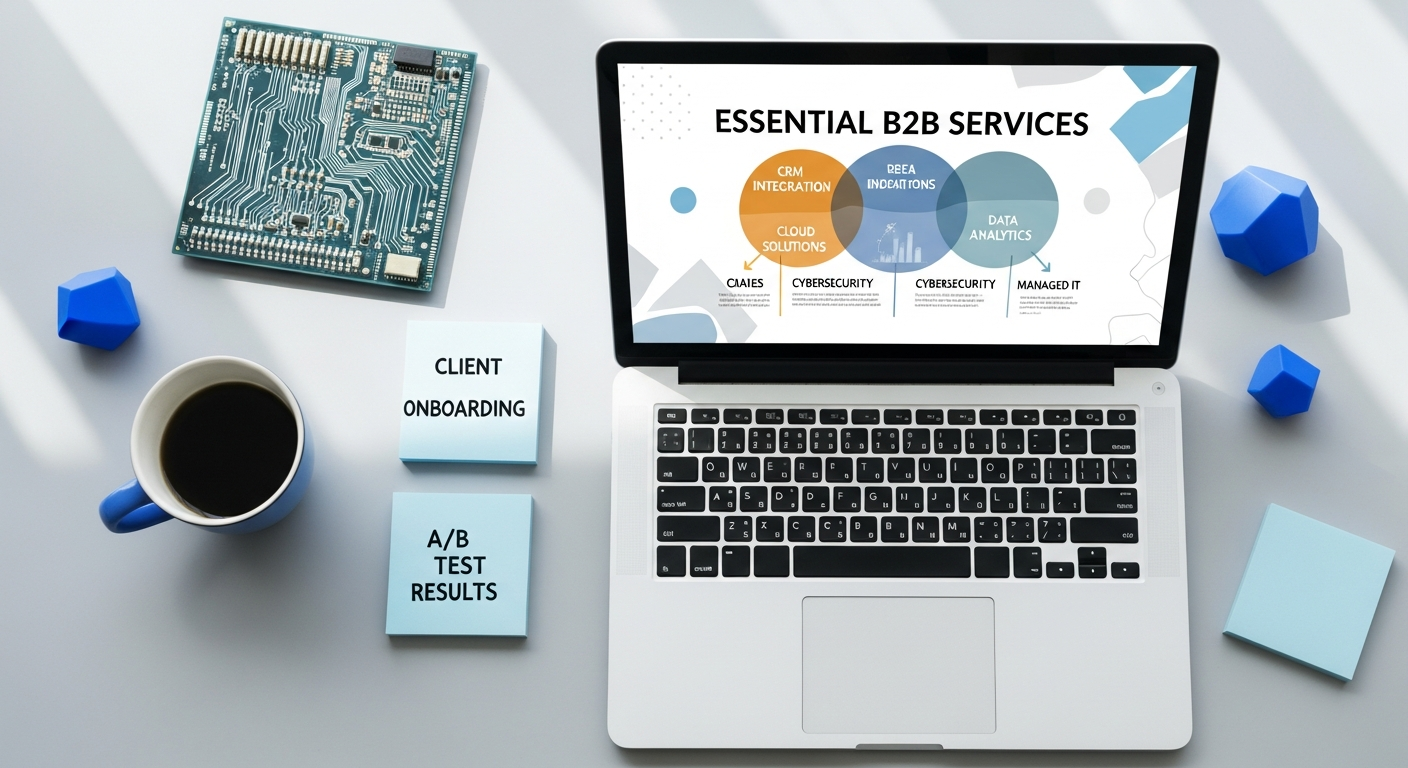
In an increasingly digital world, a company’s technological backbone is as vital as its financial one. For growing businesses, particularly those built on technology, a robust and secure IT infrastructure is non-negotiable. This extends beyond simply having computers and internet access; it encompasses reliable network management, scalable cloud solutions, and, crucially, comprehensive cybersecurity.
Many startups grapple with limited IT resources, leading to patchwork solutions that create vulnerabilities and hinder scalability. Partnering with a managed IT services provider (MSP) offers access to a team of experts who can proactively manage your IT environment. This includes:
- Network Monitoring and Maintenance: Ensuring your systems are always up and running, minimizing downtime.
- Cloud Services Management: Optimizing your use of platforms like AWS, Azure, or Google Cloud for scalability, cost-efficiency, and performance.
- Data Backup and Disaster Recovery: Implementing strategies to protect your critical data and ensure business continuity in the event of an outage or attack.
- Hardware and Software Procurement: Advising on and managing the acquisition of necessary technological tools.
Perhaps the most critical aspect of modern IT services is cybersecurity. With cyber threats becoming more sophisticated and frequent, growing companies are increasingly targeted. A single data breach can cripple a startup financially, legally, and reputationally. Proactive cybersecurity services are no longer a luxury but a fundamental necessity. These services include:
- Threat Detection and Prevention: Implementing firewalls, antivirus software, intrusion detection systems, and advanced threat intelligence.
- Vulnerability Assessments and Penetration Testing: Regularly testing your systems for weaknesses before malicious actors can exploit them.
- Employee Training: Educating your team on best practices for data security and recognizing phishing attempts.
- Compliance Management: Ensuring your IT practices adhere to industry-specific regulations and data privacy laws (e.g., GDPR, CCPA).
By entrusting your IT infrastructure and cybersecurity to specialized B2B partners, you gain enterprise-grade protection and operational stability without the immense cost of building an internal team of experts. This allows your internal technical talent to focus on product development and innovation, rather than infrastructure maintenance and threat response, laying a secure foundation for rapid scaling.
Human Resources & Talent Management
Outsourced HR services can handle a wide range of responsibilities, providing the expertise and infrastructure needed to support a growing workforce. These services are particularly beneficial for scaling quickly without the immediate need to hire a full HR department. Key areas include:
- Recruitment and Onboarding: Streamlining the hiring process from candidate sourcing and interviewing to background checks and seamless onboarding, ensuring new hires are productive from day one.
- Payroll Administration: Managing complex payroll calculations, tax withholdings, direct deposits, and compliance with federal and state regulations.
- Benefits Administration: Designing and administering competitive employee benefits packages, including health insurance, retirement plans, and other perks, which are vital for attracting and retaining talent.
- HR Policy Development: Creating and enforcing company policies that foster a positive work environment, comply with labor laws, and clearly define expectations.
- Performance Management: Implementing systems for performance reviews, goal setting, and professional development, crucial for employee growth and retention.
For companies facing significant growth or operating across multiple states/countries, a Professional Employer Organization (PEO) or Employer of Record (EOR) can be a game-changer. A PEO enters into a co-employment relationship, handling all HR functions, payroll, benefits, and compliance, often leveraging economies of scale to offer better benefits at lower costs. An EOR, on the other hand, allows you to legally employ talent in regions where you don’t have a legal entity, simplifying global expansion.
By partnering with HR experts, growing companies can ensure they are building a strong, compliant, and engaged workforce. This allows founders and management to focus on product innovation, market strategy, and customer acquisition, rather than getting bogged down in administrative HR tasks. It’s a strategic move that enables efficient scaling, reduces legal risks, and builds a foundation for a positive company culture, which is essential for long-term success in 2026 and beyond.
Sales & Marketing Enablement Services
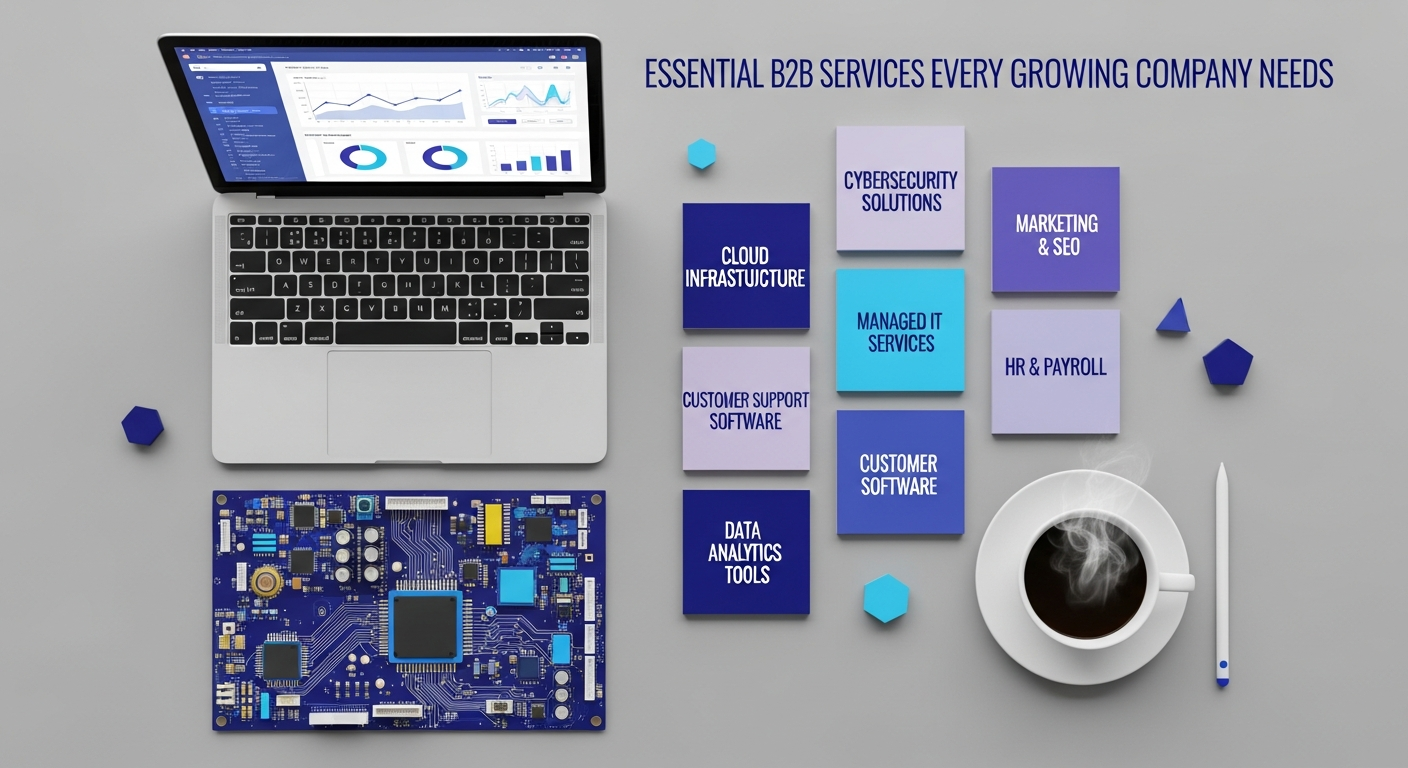
In the competitive landscape of 2026, simply having a great product or service is not enough. Growing companies need robust sales and marketing engines to acquire customers, build brand awareness, and drive revenue. However, building an effective in-house sales and marketing team from scratch can be time-consuming and expensive. This is where specialized B2B sales and marketing enablement services offer a significant advantage.
These services range from strategic consulting to tactical execution, helping companies optimize their go-to-market strategies. Key offerings include:
- Digital Marketing Agencies: Providing expertise in SEO (Search Engine Optimization), SEM (Search Engine Marketing), content marketing, social media marketing, email campaigns, and paid advertising. They help you reach your target audience, generate leads, and build brand authority online.
- Content Creation and Strategy: Developing high-quality blog posts, whitepapers, case studies, videos, and website copy that educates potential customers and establishes your company as an industry thought leader.
- Sales Enablement Coaching: Training your sales team on best practices, sales methodologies, and product knowledge to improve closing rates and customer satisfaction.
- Lead Generation Services: Utilizing targeted outreach, data analytics, and specialized tools to identify and qualify potential customers, filling your sales pipeline.
Central to effective sales and marketing is a powerful Customer Relationship Management (CRM) system. Understanding How to Choose a CRM is paramount for any growing business. A CRM acts as the central hub for all customer interactions, sales pipelines, and marketing campaigns. When selecting a CRM, consider these factors:
- Scalability: Can the CRM grow with your company, accommodating more users, data, and complex processes?
- Integration: Does it seamlessly integrate with your existing tools, such as email marketing platforms, accounting software, and customer support systems?
- Ease of Use: Is the interface intuitive for your sales and marketing teams, encouraging adoption and minimizing training time?
- Features: Does it offer the specific functionalities you need, such as lead tracking, sales forecasting, marketing automation, customer service modules, and reporting?
- Cost: Does the pricing model align with your budget and offer clear value for money?
- Vendor Support: What level of customer support and training does the vendor provide?
By investing in the right B2B sales and marketing services and strategically implementing a CRM, growing companies can significantly enhance their market reach, streamline customer acquisition processes, and build stronger relationships with their clientele. This synergy allows your internal teams to focus on product innovation and core strategy while external experts drive your revenue generation and brand presence.
Process Automation & Operational Efficiency Solutions
In the relentless pursuit of growth, efficiency is the ultimate differentiator. For growing companies, manual, repetitive tasks can quickly become bottlenecks, stifling scalability and consuming valuable resources. This is where process automation and operational efficiency solutions step in, offering transformative benefits that directly address the Benefits of Automation Software for modern businesses.
Automation software goes beyond simple task management; it involves leveraging technology to streamline workflows, reduce human error, and accelerate business processes across various departments. By automating routine operations, your team can redirect their energy towards strategic initiatives, innovation, and complex problem-solving that truly drives growth.
Key areas where automation services and software prove invaluable include:
- Robotic Process Automation (RPA): Implementing software robots to handle high-volume, repetitive, rule-based tasks such as data entry, invoice processing, and report generation. This significantly reduces operational costs and improves accuracy.
- Workflow Automation Platforms: Utilizing tools that automatically route documents, approvals, and tasks through defined stages, ensuring processes are followed consistently and efficiently. This is crucial for onboarding, expense reporting, and project management.
- Customer Service Automation: Deploying AI-powered chatbots and virtual assistants to handle common customer inquiries, allowing human agents to focus on more complex issues, thereby improving customer satisfaction and support efficiency.
- Marketing Automation: Automating email campaigns, social media posts, and lead nurturing sequences to deliver personalized content at scale, increasing engagement and conversion rates.
- HR and Payroll Automation: Streamlining tasks like employee onboarding, time tracking, leave requests, and payroll processing, reducing administrative burden and ensuring compliance.
The benefits of adopting automation software are multifaceted and directly contribute to a company’s ability to scale:
- Increased Productivity: Tasks are completed faster and more accurately, freeing up employees for higher-value work.
- Cost Reduction: Less manual effort means lower labor costs and reduced errors that can lead to rework.
- Improved Accuracy: Automation minimizes human error, leading to better data quality and more reliable outcomes.
- Enhanced Customer Experience: Faster response times and consistent service delivery lead to happier customers.
- Better Scalability: Automated processes can handle increased volumes of work without a proportional increase in headcount, making it easier to grow.
- Data Insights: Automation systems often provide valuable data on process performance, allowing for continuous optimization.
By strategically integrating automation into your operations, growing companies can achieve a level of efficiency that was previously only accessible to large enterprises. In 2026, embracing automation is not just about keeping up; it’s about setting the pace for sustainable, high-speed growth, allowing your business to do more with less and stay ahead of the curve.
Legal & Compliance Services
For any growing company, particularly those in the innovative and often disruptive tech sector, navigating the labyrinth of legal requirements and regulatory compliance is a formidable challenge. From intellectual property protection to data privacy and employment law, a single misstep can lead to costly litigation, hefty fines, and significant reputational damage. This is why professional legal and compliance services are not just beneficial but absolutely essential for building a secure and sustainable foundation.
While some basic legal tasks might be handled in-house, as your company expands, its legal needs become increasingly complex. Outsourcing to specialized legal B2B firms provides access to expert counsel without the overhead of a full-time general counsel, ensuring you have robust legal guidance precisely when you need it. Key areas where these services are invaluable include:
- Corporate Governance and Structuring: Ensuring your company’s legal structure is optimized for growth, investment, and liability protection. This includes drafting shareholder agreements, bylaws, and corporate policies.
- Contract Drafting and Review: Creating and reviewing all types of business contracts – customer agreements, vendor contracts, partnership agreements, employment contracts – to protect your interests and minimize risks.
- Intellectual Property (IP) Protection: Safeguarding your innovations through patents, trademarks, copyrights, and trade secret protection. This is particularly crucial for tech companies whose core value often lies in their IP.
- Employment Law Compliance: Navigating the complexities of hiring, firing, workplace policies, discrimination laws, and wage and hour regulations to avoid costly disputes and ensure fair practices.
- Data Privacy and Security Compliance: Adhering to evolving data protection regulations such as GDPR, CCPA, and other industry-specific standards. This is critical for any company handling customer data and is becoming increasingly stringent in 2026.
- Regulatory Compliance: Ensuring your products, services, and operations comply with industry-specific regulations, which can vary widely across sectors (e.g., FinTech, HealthTech).
- Litigation Management: Providing representation and advice in the event of legal disputes, though proactive legal counsel aims to prevent these situations in the first place.
Proactive legal counsel isn’t just about reacting to problems; it’s about strategically planning to avoid them. By having experienced legal professionals review your operations, contracts, and policies, you can identify potential legal pitfalls before they become critical issues. This foresight not only saves money and time but also provides the confidence to pursue aggressive growth strategies knowing your legal foundations are solid. For any startup looking to scale rapidly and sustainably, robust legal and compliance services are a non-negotiable investment in long-term stability and success.
Customer Support & Success Management
In the modern business landscape, particularly within the tech sector, customer acquisition is only half the battle. Retaining customers and fostering their long-term success is equally, if not more, critical for sustainable growth. This is where dedicated customer support and success management services play an indispensable role. For growing companies, building a loyal customer base translates directly into recurring revenue, valuable referrals, and a stronger brand reputation.
Many startups initially handle customer support in an ad-hoc manner, but as the customer base expands, this approach quickly becomes unsustainable. Outsourcing customer support allows companies to provide professional, scalable service without the significant investment in an in-house team, infrastructure, and 24/7 availability. These services typically include:
- Multi-Channel Support: Offering assistance through various channels like phone, email, live chat, and social media, meeting customers where they are.
- Technical Support: Providing specialized help for product-related issues, troubleshooting, and guidance on feature usage.
- Help Desk Software Implementation: Utilizing advanced ticketing systems and knowledge bases to streamline support operations, track issues, and provide self-service options.
- Feedback Collection and Analysis: Systematically gathering customer feedback to identify pain points, improve products, and enhance the overall customer experience.
Beyond reactive support, customer success management is a proactive approach focused on ensuring customers achieve their desired outcomes using your product or service. This drives retention, reduces churn, and identifies opportunities for upselling and cross-selling. Customer success teams often engage in:
- Onboarding and Training: Guiding new customers through the initial setup and adoption phase to ensure they quickly realize value.
- Proactive Outreach: Regularly checking in with customers to assess satisfaction, address potential issues before they escalate, and offer strategic advice.
- Relationship Management: Building strong, long-term relationships with key accounts, acting as a trusted advisor.
- Advocacy Programs: Identifying satisfied customers who can become brand advocates, providing testimonials, case studies, and referrals.
By investing in robust customer support and success B2B services, growing companies can transform customer interactions from mere problem-solving into opportunities for relationship building and value creation. This strategic focus on customer satisfaction and success not only reduces churn but also turns your customer base into a powerful engine for organic growth and market validation. In 2026, a superior customer experience will be a non-negotiable competitive advantage.
Conclusion: Powering Growth with Strategic Partnerships
The journey of scaling a startup is exhilarating but fraught with challenges. As we’ve explored, the path to sustained growth in 2026 is less about doing everything yourself and more about strategically leveraging external expertise. The essential B2B services outlined above—from strategic financial management and robust IT to human resources, sales & marketing enablement, process automation, legal compliance, and dedicated customer success—are not merely operational necessities; they are strategic investments.
By partnering with specialized service providers, growing companies can:
- Gain Expertise: Access specialized knowledge and experience that would be costly and time-consuming to build in-house.
- Increase Efficiency: Streamline operations, automate repetitive tasks, and reduce overhead, freeing up internal resources.
- Mitigate Risk: Ensure compliance, protect intellectual property, and secure digital assets against evolving threats.
- Enhance Focus: Allow your core team to concentrate on innovation, product development, and core business strategy.
- Accelerate Scalability: Build a flexible and robust infrastructure that can adapt quickly to rapid growth and changing market demands.
Each service plays a critical role in weaving together the fabric of a resilient and high-performing organization. Whether it’s embracing the Benefits of Automation Software to revolutionize workflows, understanding How to Choose a CRM to optimize customer engagement, or strategizing How to Scale Your Startup through effective talent acquisition, these B2B partnerships are the catalysts for transformation.
For tech entrepreneurs aiming to make their mark, the decision to invest in these essential services is a testament to foresight and strategic acumen. It’s about building a company that isn’t just innovative in its offerings but also sophisticated and resilient in its operations. Embrace these partnerships, and equip your growing company with the tools and expertise it needs to not just meet but exceed the demands of the future.
Frequently Asked Questions
Recommended Resources
Explore Responsive Design Principles Guide for additional insights.
Learn more about this topic in Best Laptops For Work 2026 at Bookmark Sharer.